On August 2, 2023, the 2023 Joint Workshop on Cultural Heritage Conservation — Peking University Summer Course, jointly organized by the School of Archaeology and Museology at Peking University, the UNESCO Category II Centre for World Heritage Research and Training for the Asia-Pacific Region in Beijing (WHITRAP-Beijing), and the Public Archaeology and Art Center of Peking University, successfully concluded in Chongqing. The workshop received strong support from the Chongqing Association for the Protection of Historic Sites and the Diaoyu Fortress Scenic Area Affairs Center of Hechuan District, Chongqing.
Over the course of ten days, participants explored every corner of Diaoyu Fortress. Under the guidance of workshop instructors, they produced richly illustrated research reports totaling more than ten thousand Chinese characters. Walking along Chongqing’s rain-soaked stone roads during the rainy season, participants touched every inch of Diaoyu Fortress’s history. Through intensive field investigations, interviews, discussions, and reflection, they documented the fortress’s past and present, opening new possibilities for the conservation, display, and utilization of Diaoyu Fortress from four different perspectives: space, community, archaeology, and interpretation.

Photo | 2023 Joint Workshop on Cultural Heritage Conservation
Review
During the preliminary teaching phase, lead instructors and invited lecturers gave classes to students. After a week of literature collection and research, students presented substantial preliminary research成果 on July 24. (Click here to review the opening session.)
During the field investigation phase, five instructors gave lectures centered on two themes: the Diaoyu Fortress site and heritage interpretation, interwoven with intensive fieldwork activities.
Yuan Dongshan, Deputy Director of the Chongqing Institute of Cultural Relics and Archaeology and President of the Chongqing Association for the Protection of Historic Sites, delivered a lecture titled “Archaeological Discoveries and Research at Diaoyu Fortress.” Beginning with the historical background of mountain fortress construction, Yuan emphasized the exemplary role these fortresses played in large-scale human spatial transformation and utilization. As an important component of the Song-Yuan mountain fortress system in Sichuan and Chongqing, research on Diaoyu Fortress should be grounded in solid archaeological work and approached from a spatial perspective. Drawing on years of research and practical experience, Yuan summarized the fundamental methodology of Diaoyu Fortress archaeology: combining urban archaeology and landscape archaeology approaches, focusing closely on the key concept of “historic sites in time and space,” and using regional survey methods to understand and reconstruct the spatial structure of Song-Yuan mountain fortresses.

Photo | Yuan Dongshan lecture
Wang Yifei, postdoctoral researcher at Fudan University, gave a lecture titled “The World Heritage Value of the Diaoyu Fortress Site.” Wang first reviewed the context in which the concept of value was introduced into heritage conservation and the establishment of value systems, while also introducing the nature and procedures of World Heritage listing-based conservation. Addressing issues in current research on Diaoyu Fortress’s World Heritage value, he reanalyzed the site from three dimensions: military perspective, comparative perspective, and interdisciplinary theoretical and methodological approaches. He proposed an analytical framework centered on military strategy as the core value, supported by construction technology, historical, socio-cultural, and spiritual-emotional values. Finally, based on the Outstanding Universal Value (OUV) framework for World Heritage, Wang analyzed the extent to which the Diaoyu Fortress site aligns with Criteria (III), (IV), and (VI), offering suggestions for future World Heritage nomination work.

Photo | Wang Yifei lecture
Sun Jing, Associate Professor at the Quanzhou Institute of Cultural Heritage of Quanzhou Normal University, delivered a lecture titled “The ‘Community’ of Heritage and the ‘Heritage’ of Community.” Approaching heritage issues from an anthropological perspective, Sun first questioned the meaning and mechanisms of the concept of “community” within the Chinese context. She reviewed three different historical-anthropological research paradigms: small places and larger society, lineage and market, and the “state-society” perspective. Using the “Treasure City South Quanzhou” survey as an example, Sun introduced a historically grounded approach to humanistic regional studies, emphasizing the need to understand history through broad human relationships among people and nature, people and people, and people and deities, thereby rediscovering previously obscured “community” boundaries.
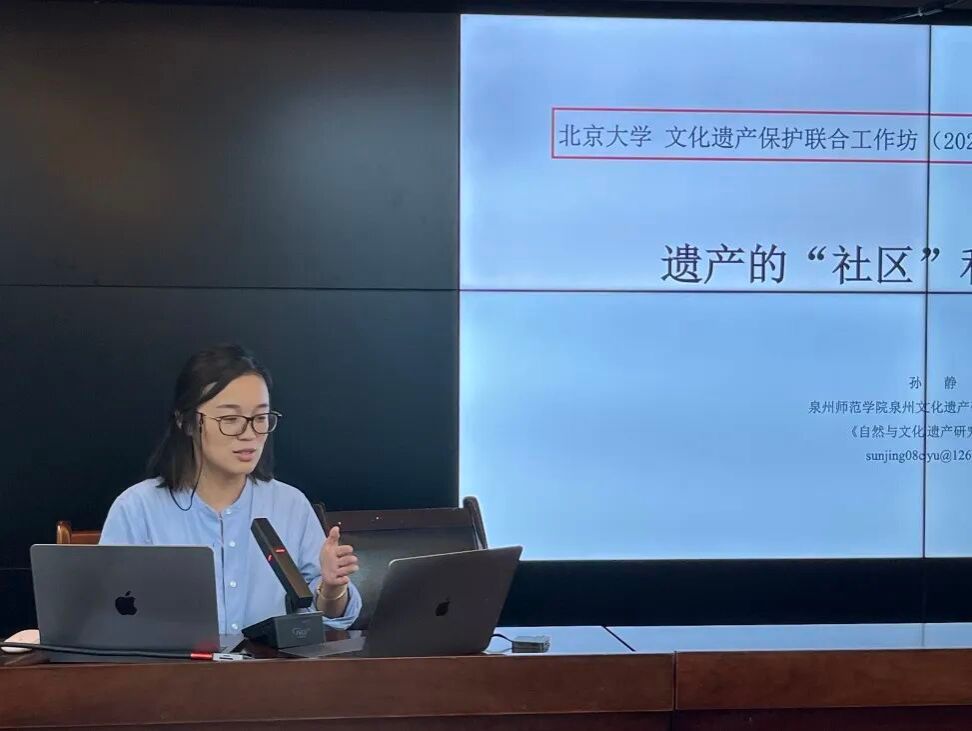
Photo | Sun Jing lecture
Dr. Li Guanghan, Assistant Director of WHITRAP-Beijing, delivered a special lecture titled “Introduction to Heritage Interpretation.” Beginning with Freeman Tilden’s Interpreting Our Heritage, Li explained the origins of heritage interpretation, the formation of professional standards, and the emergence of new trends. She then conducted a detailed analysis of the interpretation system of the U.S. National Park Service (NPS), introducing its experience in institutional design, audience analysis, and heritage education, as well as the classic case of the Star-Spangled Banner National Historic Trail. Finally, using the Archaeological Museum of Córdoba in Spain as an example, Li proposed that conservation and visual storytelling can be integrated, allowing conservation interventions themselves to become a new interpretive method.

Photo | Li Guanghan lecture
Wang Siyu, Assistant Professor at the School of Archaeology and Museology at Peking University and Director of the Public Archaeology and Art Center, delivered a lecture titled “Display and Utilization of Cultural Heritage.” Wang emphasized that heritage display and utilization should aim at value interpretation, serve visitors, and always coordinate with heritage conservation. Addressing four different types of heritage remains — timber-frame ancient architecture, modern historical buildings, settlements, and archaeological sites — he systematically outlined the key issues, concepts, and methodologies involved in their display and utilization. Through case studies including the Forbidden City, Baoguo Temple, Zhizhu Temple, Tilanqiao, Columbia Circle, Shijia Hutong, Banpo, Jinsha, and the Grand Bao’en Temple, he clearly explained the methods, purposes, and significance of heritage display.

Photo | Wang Siyu lecture
Closing Ceremony
On August 2, the final presentation session of the 2023 Joint Workshop on Cultural Heritage Conservation was held at the Hechuan Urban Investment Building. The session was hosted by Zhang Jianwei, Associate Dean of the School of Archaeology and Museology at Peking University and Executive Deputy Director of WHITRAP-Beijing. The closing ceremony consisted of three parts: presentations by each research group, a special study presentation on the Jiukouguo area, and expert commentary and summaries.
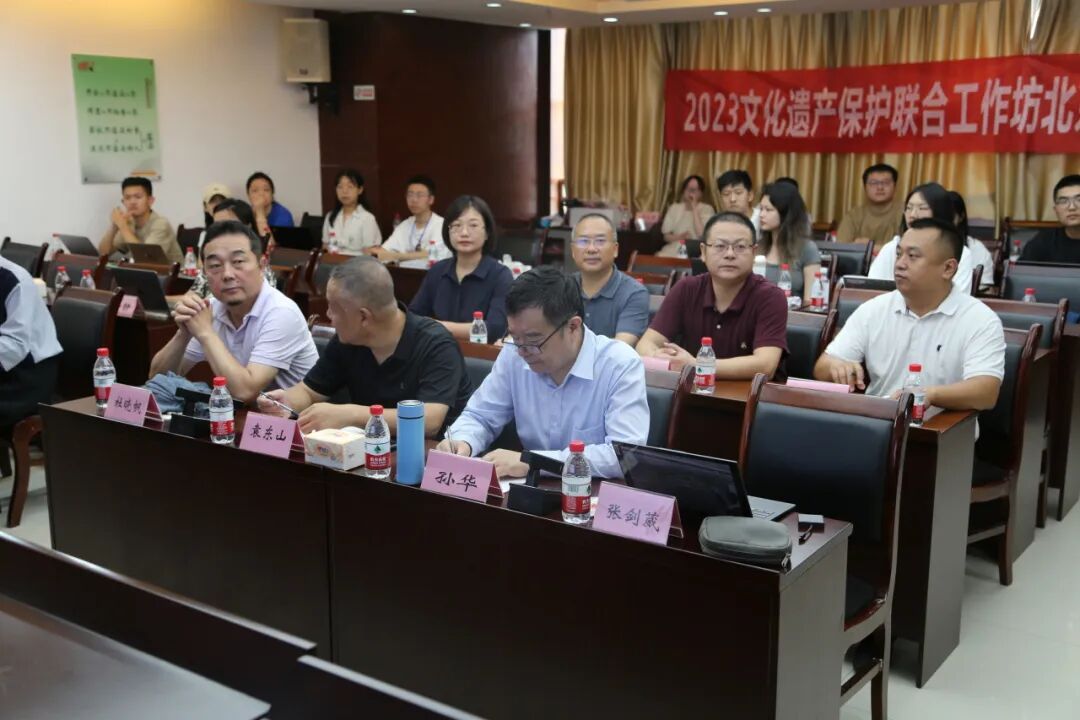
Photo | Closing ceremony venue
Experts attending the presentation included Sun Hua, Professor at the School of Archaeology and Museology at Peking University; Du Xiaofan, Professor in the Department of Cultural Heritage and Museology at Fudan University; Yuan Dongshan; Xie Yu, Director of the Hechuan District Bureau of Culture and Tourism Development; Yang Jianchun, Director of the Diaoyu Fortress Scenic Area Affairs Center; Fu Zhaonan, Director of the Diaoyu Fortress World Heritage Nomination Affairs Center; Wang Ding, Deputy General Manager of Hechuan Yucheng Tourism Scenic Area Management Co., Ltd.; and Hu Limin, Curator at the Chongqing Institute of Cultural Relics and Archaeology.
Before the formal presentations, Zhang Jianwei reviewed and summarized the overall workshop. The workshop adopted interdisciplinary collaboration as its core concept, aiming to serve cultural heritage education while addressing local needs. A total of 28 teachers and students from 17 universities worldwide participated offline, producing abundant thematic and digital research成果.

Photo | Zhang Jianwei hosting the closing ceremony

Photo | Digital成果 related to the workshop
Research Presentations
1
Spatial Foundations Group
Presenting students: Chen Chen, Lan Shuai, Xiao Shufan, Sun Yangyang
Lead instructors: Wu Honglin, Zhang Jianwei
Academic assistant: Cao Jiyang
Group members: Chen Chen, Lan Shuai, Xiao Shufan, Sun Yangyang, Ma Shuang (observer)

Photo | Spatial Foundations Group成果
The Spatial Foundations Group centered its research on the concepts of “strategic terrain” and “scenic landmark” to organize the cultural landscape heritage of Diaoyu Fortress. Beginning with macro-regional location, geology, and geomorphology, they introduced the landscape foundations of the fortress. They then analyzed in detail the “mountain-water-city” landscape pattern, the coordinated construction between man-made fortifications and terrain and waterways, and the planning of military landscapes. Finally, tracing the transformation from “scenic landmark” to “strategic terrain” and back to “scenic landmark,” they connected the historical process through which Diaoyu Fortress evolved from a scenic attraction into a major military stronghold and eventually internalized its defense system as a cultural landscape.


Spatial Foundations Group presentation
2
Archaeology Group
Presenting student: Qin Anli
Lead instructors: Zhang Jianwei, Wang Yifei
Academic assistant: Cao Jiyang
Group members: Mou Xiaoqi, Qin Anli, Ma Lerong, Ran Longhao, Wan Litao
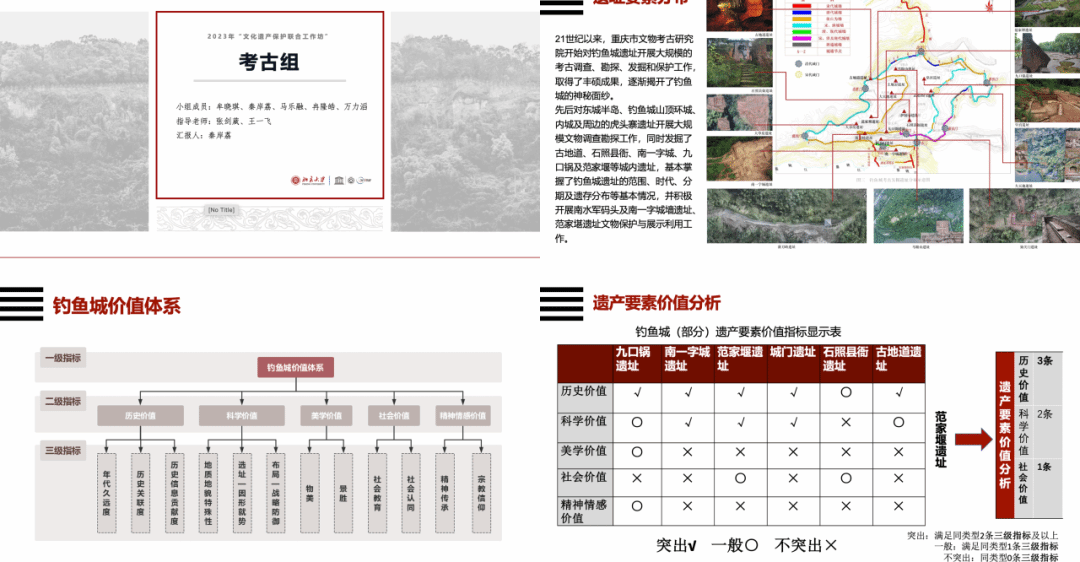
Photo | Archaeology Group成果
Based on archaeological materials and field surveys from Diaoyu Fortress, the Archaeology Group systematically organized the distribution of heritage elements. Combining international charters and academic成果 related to heritage values, they constructed a value system for Diaoyu Fortress including historical, scientific, aesthetic, social, and spiritual-emotional values, each with tertiary indicators. Using this framework, they scientifically assessed the conservation status of various heritage elements and proposed reasonable recommendations.
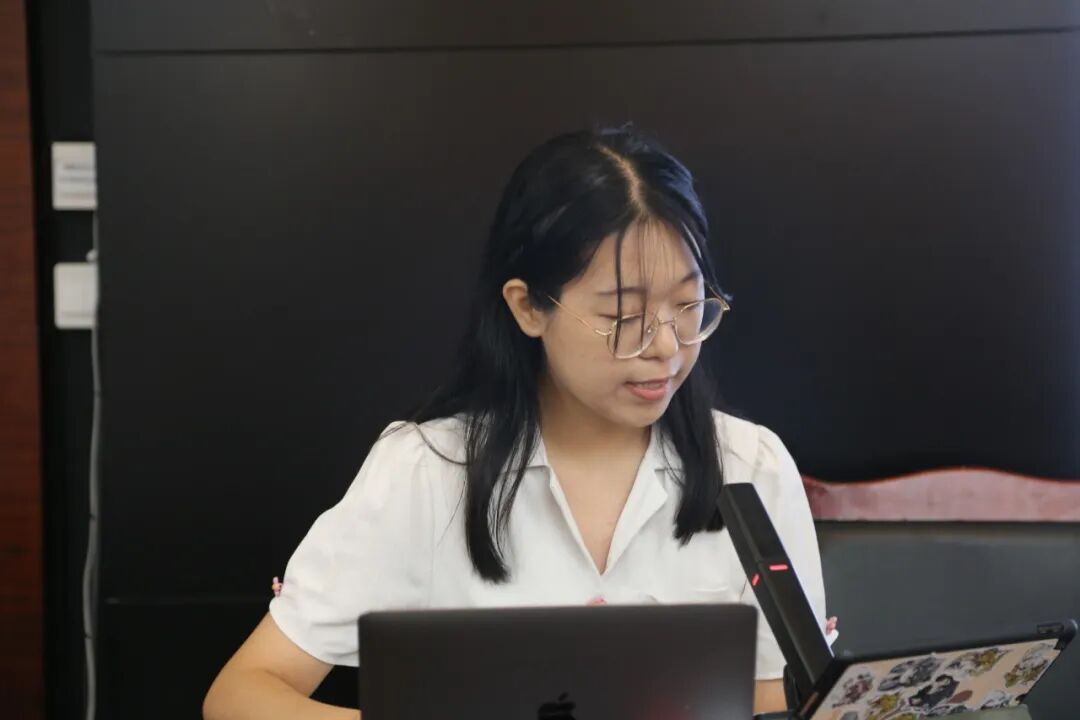

Archaeology Group presentation
3
Community Group
Presenting students: Li Xiangcheng, Yuan Qidake
Lead instructors: Sun Jing, Wang Siyu
Academic assistant: Cao Jiyang
Group members: Li Xiangcheng, Yuan Qidake, Zhang Jiayi, Liu Yuwei, Ren Fuxin (observer)

Photo | Community Group成果
The Community Group aimed to integrate community memory into the heritage display system of Diaoyu Fortress. They presented investigation and interview results from three surrounding villages. Beginning with human geography, transportation systems, and livelihood production, they introduced the community structure and historical development of the Dongdu Peninsula. They then analyzed the functional and memory-based connections between heritage elements and local communities. Based on the impacts of heritagization on communities, they proposed ideas and recommendations for community well-being and sustainable development.


Community Group presentation
4
Tourism Management Group
Presenting students: Zhang Wending, Zhou Zijie, Li Chaoying, Fu Yuxin, Jin Qiu
Lead instructors: Li Guanghan, Park Lina
Academic assistant: Cao Jiyang
Group members: Zhang Wending, Zhou Zijie, Li Chaoying, Fu Yuxin, Jin Qiu

Photo | Tourism Management Group成果
The Tourism Management Group presentation was divided into two parts. The first part reviewed the current state of the Diaoyu Fortress scenic area from five aspects: cultural tourism resources, interpretation systems, tourism routes, visitor studies, and operational management. Based on their analysis, they identified existing issues and proposed targeted improvements. In the second part, they created an interpretation matrix and cultural map for the Diaoyu Fortress site based on themes of miracle, strategic terrain, spirituality, countryside, and freedom, while also proposing ideas for related cultural activities and programming.


Tourism Management Group presentation
Special Study Presentation on the Jiukouguo Area
During the fieldwork period, in addition to completing their own thematic research, members of the four groups also carried out an integrated study of the Jiukouguo area within the Diaoyu Fortress site. From perspectives including natural background and route landscapes, historical memory and community functions, heritage elements and architectural reconstruction, and creative science fiction writing activities, representatives from the four groups presented and discussed ideas for the conservation, display, and utilization of the Jiukouguo area.

Photo |成果 of the Jiukouguo Area special study
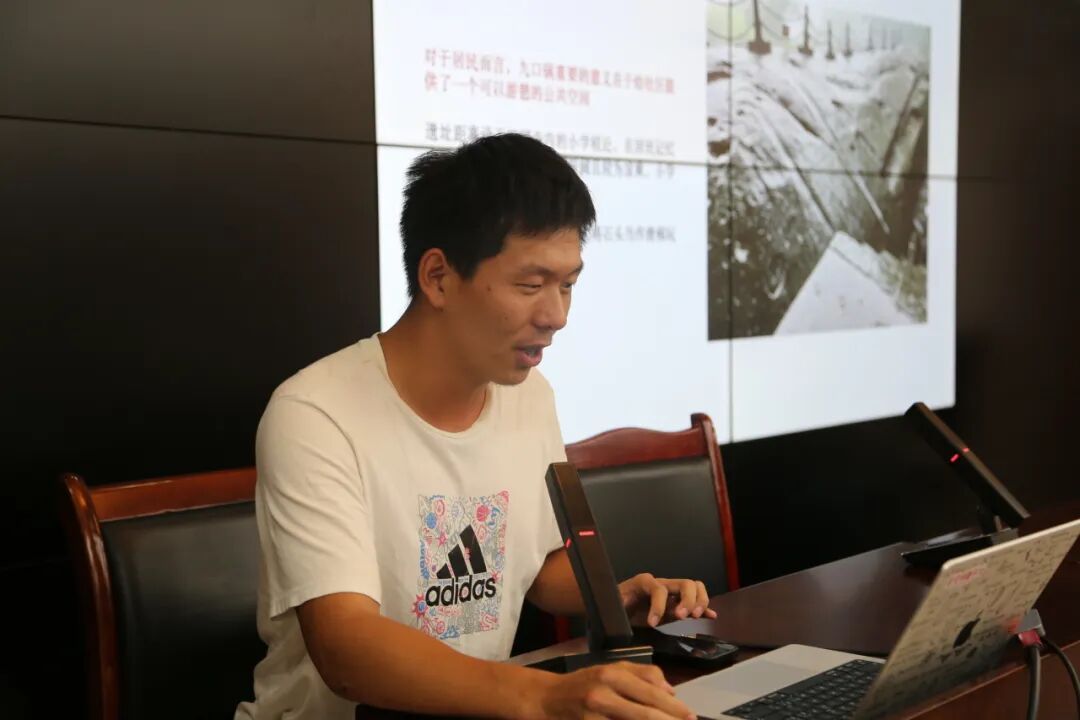

Jiukouguo Area presentation
Collective Review Session
After the presentations, attending experts and scholars provided comments and evaluations.
Du Xiaofan, Professor in the Department of Cultural Heritage and Museology at Fudan University, first acknowledged the成果 of interdisciplinary collaboration among the groups. He further questioned concepts mentioned in the presentations such as scenic landmarks, strategic terrain, and aesthetic value. Drawing on his own research experience, Du pointed out the current difficulties in heritage value research and encouraged students to continue exploring these issues in the future. He affirmed that the workshop fully demonstrated interdisciplinary cooperation and emphasized that scholarly perspective greatly influences researchers. He encouraged students to cultivate the habit of engaging with related disciplines and learning from other fields while also learning generosity and tolerance through collaboration.

Photo | Du Xiaofan commentary
Yang Jianchun, Director of the Diaoyu Fortress Scenic Area Affairs Center, expressed gratitude for the hard work of teachers and students. He noted that the research was extremely helpful for clarifying relationships between the Diaoyu Fortress site and surrounding communities, developing tourism routes and tourism products, and improving conservation and display of the Jiukouguo area. He expressed hope for continued future exchanges and shared research成果.

Photo | Yang Jianchun commentary
Hu Limin, Curator at the Chongqing Institute of Cultural Relics and Archaeology, praised the students’ ability to collect materials and synthesize information. He highly recognized the value and creativity of their ideas and believed the成果 would open new directions for future work at Diaoyu Fortress.

Photo | Hu Limin commentary
Fu Zhaonan, Director of the Diaoyu Fortress World Heritage Nomination Affairs Center, first thanked the workshop for choosing Diaoyu Fortress as its research site. He remarked that the depth of research, clarity of logic, and practicality of the students’ recommendations left a strong impression on him. He hoped the Diaoyu Fortress experience would inject new vitality into the students’ studies and encouraged them to continue supporting research on Diaoyu Fortress in the future.

Photo | Fu Zhaonan commentary
Yuan Dongshan once again emphasized the importance of foundational research, pointing out that many issues in heritage studies stem from insufficient understanding of value. He hoped this presentation would serve not only as an ending but also as a beginning. If the workshop model could continue in the future, relying on interdisciplinary collaboration and drawing on diverse forms of expertise, it would surely make valuable contributions to the World Heritage nomination of Diaoyu Fortress.
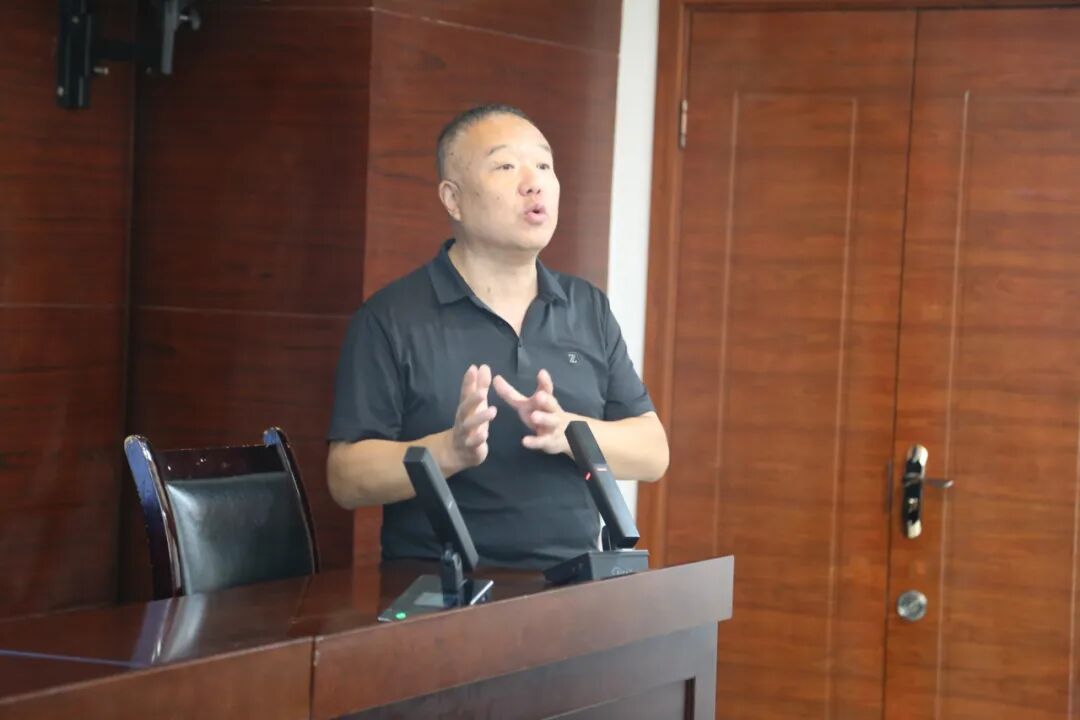
Photo | Yuan Dongshan commentary
Sun Hua, Professor at the School of Archaeology and Museology at Peking University, provided detailed evaluations and suggestions for improvement. He suggested that the Spatial Foundations Group further analyze the importance of the Jialing River waterway and rethink the meaning and validity of the concepts of “strategic terrain” and “scenic landmark.” The Archaeology Group should distinguish between the unique values of Diaoyu Fortress and values shared with surrounding regions, while strengthening holistic analysis of relationships among heritage elements. The Community Group could expand its research scope to include other stakeholders in Hechuan urban areas and formulate more specific questions regarding the historical memory of local communities. The Tourism Group should reorganize the relationships between the World Heritage nomination office and other management institutions while adjusting the hierarchy of tourism themes to align with national cultural promotion priorities.

Photo | Sun Hua commentary
Student Remarks
Zhou Zijie, a graduate student in Architectural Conservation at the National University of Singapore, spoke on behalf of all workshop participants, reflecting on “what we take away” and “what we leave behind.” He noted that the fieldwork gave him a sense of direct engagement that literature reading alone could never provide and allowed him to meet like-minded friends from diverse backgrounds. Although time constraints limited the depth of the final成果, the many inspiring ideas and concepts generated would undoubtedly provide valuable inspiration for future work on Diaoyu Fortress.

Photo | Zhou Zijie speaking
Summary Remarks
Finally, Sun Hua delivered the workshop’s academic summary. He stated that joint university summer workshops are an excellent format because they combine classroom learning with practical learning while creating a platform for communication among teachers and students from different backgrounds. Conducted within the larger context of Diaoyu Fortress’s World Heritage nomination efforts, the workshop enabled participants to identify real problems through field investigation and propose their own solutions through research. Although the workshop duration was short, its成果 were highly significant. He suggested that the investigation reports could later be expanded into formal publications, allowing Diaoyu Fortress research to leave a lasting mark on the students’ academic journeys.

Photo | Sun Hua concluding remarks
Yuan Dongshan delivered the final closing speech. He stated that the workshop was like casting a stone into water: not only did it produce immediate成果, but it would also generate lasting influence. He hoped the students’ recommendations could truly take root and positively impact the conservation, utilization, and development of Diaoyu Fortress.
Successful Conclusion
In the humid rainy weather of the mountain city, the workshop officially came to a close. Teachers and students from across the country gathered in Hechuan, conducting field surveys under blazing sun and moving forward through torrential rain. They not only completed interdisciplinary collaborative research but also formed deep friendships. The organizers sincerely thank all lead instructors, invited guests, teaching assistants, relevant departments and staff in Hechuan who supported the workshop, interview participants, and enthusiastic online supporters.

Photo | Workshop participants, organizing team, and review panel group photo
Special Thanks
Organizations
Peking University Graduate School
Chongqing Association for the Protection of Historic Sites
Hechuan District Bureau of Culture and Tourism Development, Chongqing
Diaoyu Fortress Scenic Area Affairs Center of Hechuan District, Chongqing
Diaoyu Fortress World Heritage Nomination Affairs Center of Hechuan District, Chongqing
Shengdi Diaoyu Fortress Cultural Tourism Development Co., Ltd.
Individuals
Hu Limin, leader of the Fanjiayan archaeological site
Zhang Xue, Diaoyu Fortress volunteer
(The following are listed in no particular order)
Tian Guangwan, archaeological site worker
Tang Liangqi, archaeological site worker
Shuai Zhaoquan, stonemason
Yang Changming, stonemason
Driver Chen
Xie Jian, current Party secretary of Yucheng Village
Yang Shangqing, retired secretary of Fo’er Village
Chen Sanlin, current Party secretary of Qukou Village
Liu Daoyou, captain of Team 2, Team 7, Yucheng Village
Two female cleaners at the Diaoyu Fortress scenic area
The 90-year-old mother of scenic area employee Ms. Ren Shaolian
And all interviewees from Yucheng Village, Fo’er Village, Qukou Village, and Yucheng Garden
Edited by: Li Chaoying, Park Lina
Reviewed by: Li Guanghan, Wang Siyu
Final Review by: Shen Ruiwen, Zhang Jianwei