In February 2023, the research project on the Fujian Ancient Transportation System (Northern Fujian section) was officially launched. Commissioned by the Fujian Provincial Institute of Archaeology, the project is organized by the School of Archaeology and Museology of Peking University and the UNESCO World Heritage Training and Research Center for the Asia-Pacific Region (Beijing). It also invited participation from the School of Sociology and Anthropology of Xiamen University and the China Quanzhou Cultural Heritage Research Institute of Quanzhou Normal University.
From February 7 to February 25, 2023, the first phase of field investigation began in Nanping, Fujian Province. The survey was divided into three stages: preparatory training, field reconnaissance, and data compilation.
Field Investigation
Stage 1: Pre-field Training
From February 7 to February 8, 2023, the pre-field training for the investigation of the Fujian Ancient Transportation System (Fuzhou to Northern Fujian corridor) was held in Guangze County, Nanping. Representatives from cultural relic protection units across counties, cities, and districts in Fujian, along with staff from Peking University, Xiamen University, and Quanzhou Normal University participated.
The training focused on transportation archaeology and field survey methods. Lectures were delivered by Zhang Jianwei (Associate Dean, School of Archaeology and Museology, Peking University), Lou Jianlong (Director, Minyue King City Museum), Wang Yuchen (Lecturer, Institute of Science History and Cultural Heritage, University of Science and Technology Beijing), and Cai Shiyu (PhD, School of Archaeology and Museology, Peking University). Topics included Transportation Archaeology and Linear Heritage, History of Transportation in Fujian and Transport Heritage, Survey Techniques for Linear Heritage, and Basic Methods of Data Collection, Recording, and Computational Mapping in Ancient Road Surveys, providing guidance for fieldwork.

Pre-field training session for the Fujian ancient transportation system survey
Stage 2: Field Reconnaissance
From February 9 to February 18, 2023, students and researchers from Peking University, Xiamen University, and Quanzhou Normal University were divided into five groups. With support from the Fujian Provincial Institute of Archaeology and local cultural heritage officials, they conducted surveys and data collection on ancient roads in Guangze County, northern and southern routes of Shaowu, Shunchang County, and Yanping District.

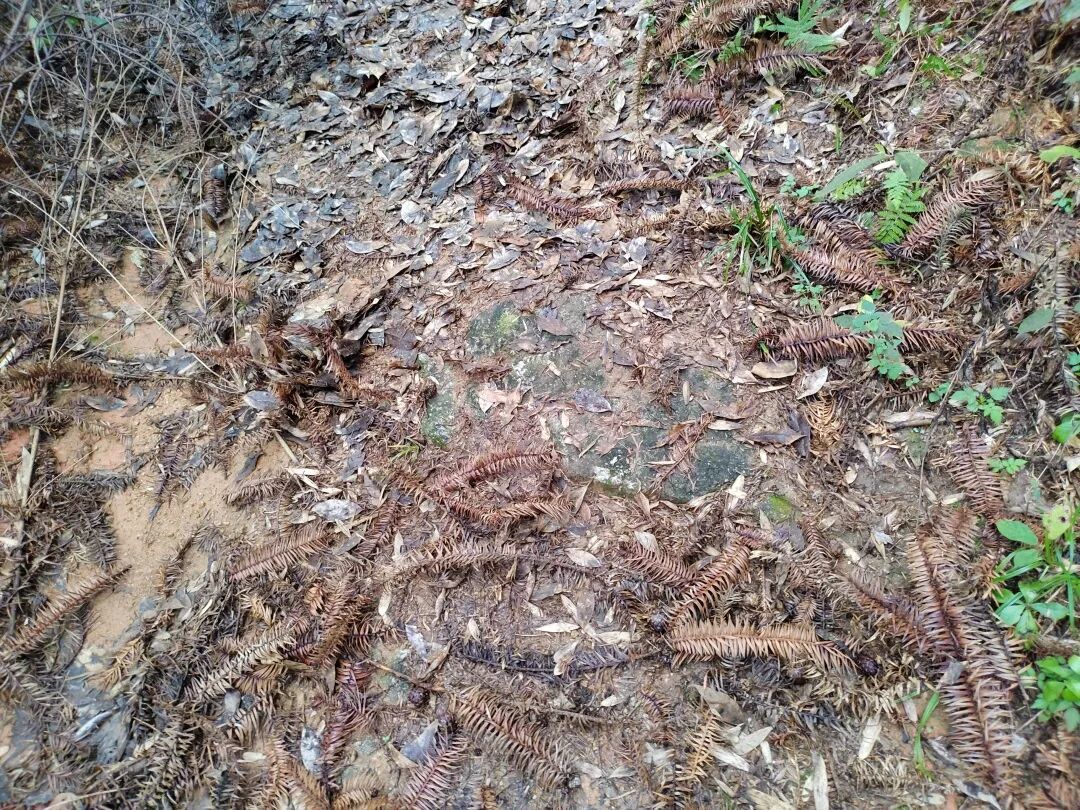
The Guangze–Yanping ancient route generally runs northwest–southeast. Over more than ten days, the five groups surveyed approximately 301 km of ancient roads. Among these, five segments of primary ancient roads totaling about 5.35 km were identified. Of the 47 postal relay stations recorded in county gazetteers, 40 were located while seven remain unverified. Numerous cultural relics along the route were documented, including buildings, bridges, inscriptions, and passes.
Key sites include Guangze: Cheng’an Bridge in Youxi Village, Niutian Red Army Command Site, and Shuikou Tianhou Temple; Shaowu: Fushan Wang Temple, Gaojiadu Stone Arch Bridge, and Tongqing Bridge; Shunchang: Fuwen City Gate, Kouqian Gate Tower, Shuangzhouwei Tongtian Dasheng altar, and Jizhou Tongtian Dasheng altar; Yanping: Longxing Temple, Yufeng Temple, Qiudun Bridge Stele, and Chengdong Post Wharf site.




Stage 3: Data Compilation
From February 19 to February 25, 2023, the project entered the data processing stage. Each group processed collected field data, carried out computational mapping, revised and improved visual and textual materials, and produced a preliminary research report.
Work Summary
Guangze Team
Team members were Associate Professor Sun Jing, Assistant Instructors Chen Yuxuan and Cai Ying, and Assistant Professor Li Jin.
A thorough county-level survey of ancient roads is the first step in protecting ancient transportation systems. Over ten days, the Guangze team combined analysis of historical documents with field investigation to reconstruct the county’s post road system. Rivers, temples, monasteries, bridges, and other landmarks were used as reference points to identify route directions and classifications. Because of Guangze’s unique geography, the team also surveyed its pass system, assessed preservation conditions, and concluded that mountain passes are deeply interconnected with Fujian’s ancient transportation system and hold significant heritage value. The investigation received strong support from local officials, which the team acknowledged with gratitude.


Shaowu Team (South + North Routes)
Team members were Wang Bowen, Zhu Qiang, Rong Yiyuan, Liu Jiajun, and Du Yu.
Shaowu lies on the Fujian–Jiangxi border along the Futun River and has long been known as the “Iron City” due to its developed historical transportation network. However, many ancient roads between Shunchang and Guangze are heavily damaged. The main reason is that modern roads have overlaid them, and fundamentally, the terrain historically allowed only one viable route.
In the 1950s, National Highway 316 and the Yingxia Railway were constructed along the east bank of the Futun River, overlapping heavily with ancient postal routes recorded in historical texts. Based on documentary evidence, the team searched north and south but found no well-preserved ancient roads. Local residents suggested that dam construction and flooding raised water levels significantly, widening the river and likely submerging original routes.
However, fragments of the ancient road survive in collective memory. By interviewing elderly residents and local officials across villages, the team reconstructed segments of the route.


Shunchang Team
Team members were Zhang Mingli and Zhang Zhonghai.
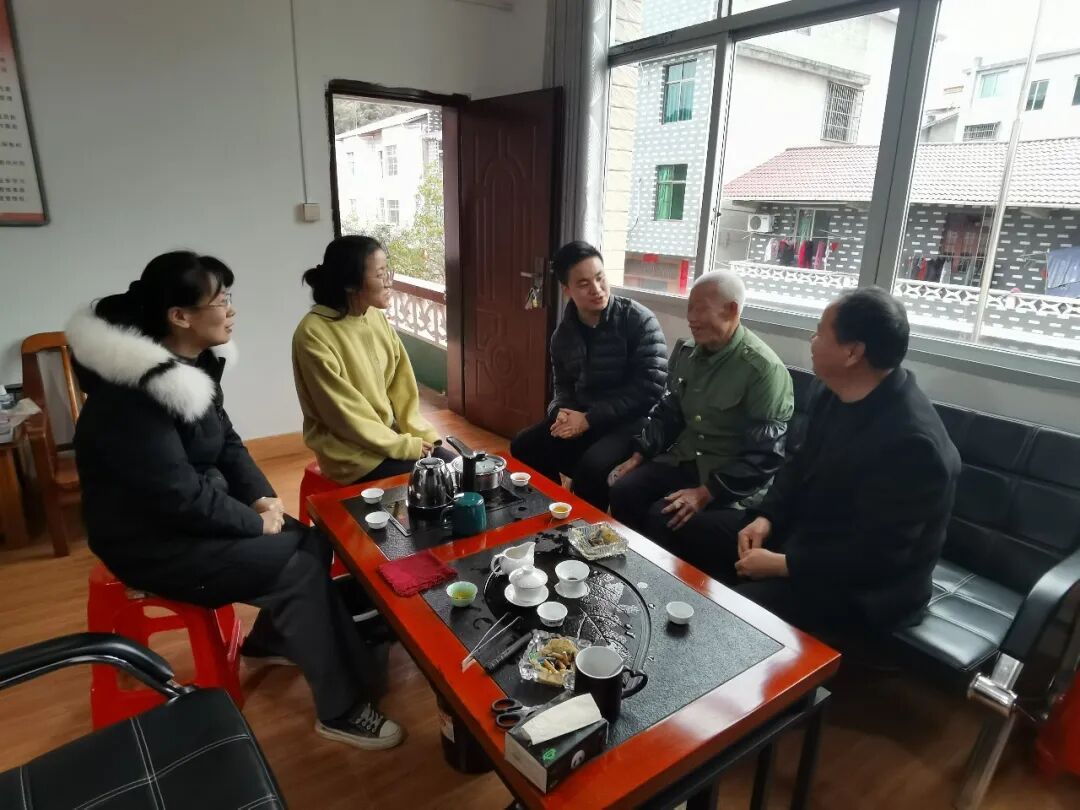
The Shunchang survey progressed smoothly. Most ancient post stations recorded in historical county documents were located, and a north-to-south route was identified early. Early fieldwork took place in light rain, but conditions were manageable. Later weather improved, though temperatures increased. Local village committees warmly hosted the team and offered tea, especially high-quality oolong tea. Under the guidance of Zhou Kairong, director of the county cultural heritage center, the team completed the survey successfully and developed a strong appreciation for the region. Walking the ancient roads allowed them to become familiar with the landscape, and the “land of the Great Sage’s homeland” lived up to its reputation.
Yanping Team
Team members were Li Jiangtao and Lu He.
Yanping District lies at the confluence of the Futun, Jian, and Min Rivers and has historically been a key transportation hub connecting northern Fujian to Fuzhou. Survey results show poor preservation of ancient roads due to modern highways and railways overlapping them. In addition, the construction of the Shaxikou Hydropower Station raised water levels and submerged large sections of ancient roads.
However, in remote villages and mountainous areas, segments of primary and secondary ancient roads remain. Nearby, previously unknown heritage sites such as Yundang Post and Qiudun Bridge were identified, suggesting that archaeological excavation could reveal further historical information.
When mapped onto modern GIS systems, Ming and Qing official roads clearly show strategic use of terrain, often following riverbanks and mountain contours. Some routes required mountain crossings but reduced overall travel distance, balancing efficiency and practicality.
Throughout the survey, local residents provided strong support. Although the investigation achieved meaningful results, further research is still
needed.
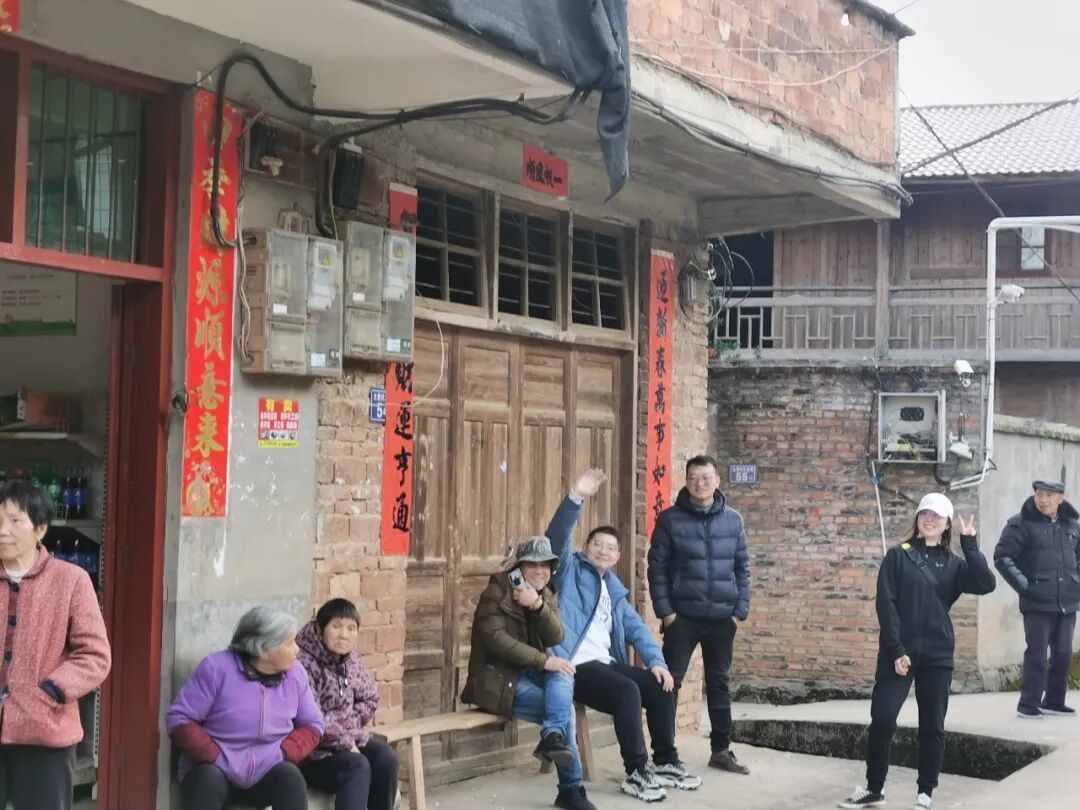

Finally, thanks are extended to the Fujian Provincial Institute of Archaeology, the Nanping Municipal Bureau of Cultural Relics, Guangze County Bureau of Culture, Sports and Tourism, and other institutions for their strong support.