International Heritage News

01
UNESCO 21st Century Cultural Heritage Conference Releases the “Spirit of Naples” Action Initiative
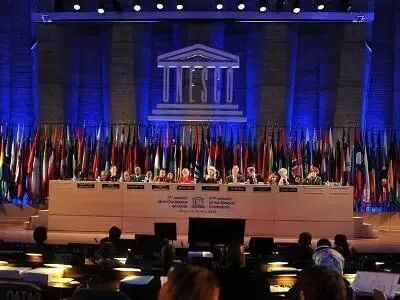
From November 27 to 29, 2023, on the occasion of the 50th anniversary of the adoption of the Convention Concerning the Protection of the World Cultural and Natural Heritage and the 20th anniversary of the Convention for the Safeguarding of the Intangible Cultural Heritage, UNESCO held the 21st Century Cultural Heritage Conference in Naples, Italy.
Since the beginning of the 21st century, issues such as climate change, globalization, technological revolutions, large-scale migration, urbanization, conflict, and increasing inequality have brought numerous challenges to human development. The limitations of past heritage protection and management frameworks and methods have gradually become apparent, and there is an urgent need for a more people-centered approach to address these challenges. Against this background, as the first major event after the 2022 MONDIACULT World Conference on Cultural Policies to comprehensively discuss both the World Heritage Convention and the Intangible Cultural Heritage Convention, this conference focused on the successful experiences and complementarity of the two conventions, integrated approaches to protecting and promoting world cultural and natural heritage as well as intangible cultural heritage, the role of heritage protection in community and urban development, and sustainable tourism development related to cultural heritage. It also explored the synergy between the two conventions. The conference released the “Spirit of Naples” Action Initiative.
The “Spirit of Naples” Action Initiative affirms the contributions of the World Heritage Convention and the Intangible Cultural Heritage Convention in promoting culture as a global public good, recognizes cultural diversity as a driving force for sustainable community development and an engine for national economic growth, and deeply acknowledges the interdependence between cultural and natural heritage, as well as between tangible and intangible cultural heritage. It therefore proposes viewing these diverse forms of heritage as “Human Heritage as a Whole.”
Source: Cultural Heritage and Law

02
UNESCO, the International Union for Conservation of Nature, and the Netherlands Commission for Environmental Assessment Strengthen World Heritage Impact Assessment

UNESCO, the International Union for Conservation of Nature (IUCN), and the Netherlands Commission for Environmental Assessment (NCEA) have signed an agreement to strengthen capacity building and quality assurance for Strategic Environmental Assessments (SEAs) and Environmental and Social Impact Assessments (ESIAs) for World Heritage sites.
Source: whc.unesco.org
03
Pinelands Creative Launches Cultural Heritage Identification and Preservation Program (CHIP)

The CHIPproject, led by the Pinelands Creative Workshop, held workshops in Grenada, Barbados, and Tobago, attracting a total of 56 stakeholders.
The Cultural Heritage Identification and Preservation (CHIP) project conducted two-day workshops in Grenada, Barbados, and Tobago. The multi-country CHIP project is implemented by the Pinelands Creative Workshop in Barbados, which is one of the first 25 creative Caribbean projects funded under the European Union’s cultural program. The project aims to safeguard intangible cultural heritage in the region.
Source: whc.unesco.org
04
Intangible Cultural Heritage Enters Schools: Japan ASPnet Webinar

On January 20, within the framework of the UNESCO ASPnet Japan National Conference, the UNESCO East Asia Multisectoral Regional Office organized the webinar “Intangible Cultural Heritage in Schools: Japan ASPnet.” Teachers, university professors, and students participated. The webinar aimed to raise awareness of the benefits of integrating living heritage into education and to provide a gradual, effective, and innovative approach for teachers, community members, students, parents, and other stakeholders in education and culture to work together in promoting this approach.
Source: UNESCO
05
Wildfire Burns Nearly 2,000 Hectares in Argentina’s Los Alerces National Park

According to a January 31 report by BFMTV, due to persistent extreme heat, large-scale forest fires broke out in central regions including Chubut Province in Argentina. In Los Alerces National Park, a UNESCO World Natural Heritage site, nearly 2,000 hectares were burned within five days.
The affected area has rugged terrain and poor accessibility, with a fire line extending over 8 kilometers. Firefighters were supported by two airplanes, three helicopters, and drones. On January 30, park manager Danilo Hernández Otaño told the Télam public radio station that more than 2,000 hectares had burned, 70% within the national park and 30% in Chubut Province. He noted that no residential areas were at risk, but weather conditions were unfavorable for controlling the fire due to approximately two months without rainfall.
Source: Overseas Network, CCTV News
06
UNESCO and Boston Museum of Science Jointly Host World Heritage Exhibition

From January 19 to May 5, the Museum of Science in Boston, in collaboration with UNESCO, hosted a new exhibition where visitors can experience immersive displays of four World Heritage sites threatened by climate change: the Pyramids of Giza, the Venice Lagoon, the cliff dwellings of Mesa Verde, and Rapa Nui in Chile. The exhibition aims to guide audiences in exploring the symbolic meaning of World Heritage while raising awareness of climate threats.
Source: whc.unesco.org
07
World Monuments Fund Co-hosts Coastal Heritage Webinar Series

The World Monuments Fund (WMF) in the United States, together with Historic England, will host a series of online webinars on coastal heritage from January to July. The webinars will invite representatives from ICOMOS, World Heritage sites, and universities to discuss how coastal heritage values are defined in different contexts worldwide, exchange knowledge and experiences among heritage managers and communities, share new perspectives, broaden understanding, and explore practical solutions for sustainable coastal heritage management.
Topics include understanding coastal heritage values, sustainable design solutions, community and intergenerational conservation, investigation, modeling and monitoring, reflections on loss, indigenous and intangible heritage narratives, and policy, principles, and practice.
Source: International Heritage Observation
08
Call for Case Studies on Intangible Cultural Heritage Safeguarding and Climate Action in Asia-Pacific

UNESCO, in collaboration with IRDR, CRIHAP, ICCAP, and IRCI, invites teams and individuals to submit case studies from the Asia-Pacific region addressing the role and risks of intangible cultural heritage (ICH) and strategies for safeguarding it in the context of climate change.
Submissions should be evidence-based and address one or more of the following questions: What role does ICH play in identifying, assessing, and monitoring climate change? How does ICH contribute to community adaptation and resilience? What role does ICH play in reducing carbon emissions and disaster risk? What are the long-term direct and indirect impacts of climate change on ICH practices, transmission, safeguarding, and viability? What changes are needed to adapt ICH to climate change? What local and regional strategies exist for safeguarding ICH in this context?
Selected case studies may be considered for publication or international conferences.
Deadline: November 30, 2024
Source: UNESCO
09
Explore the UNESCO Urban Heritage Atlas

UNESCO has launched a new digital platform—the UNESCO Urban Heritage Atlas—which leverages digital technology to support the protection and management of historic cities and promote their diversity.
The unique characteristics of historic cities and settlements are shaped by history, geography, and local culture. The atlas serves as a tool to identify, record, map, and protect these attributes. It collects and organizes tangible heritage information at different scales, including historic buildings, urban elements, and larger spatial contexts, while also incorporating essential intangible elements and natural features. The information provided helps better manage historic urban areas and ensures that new projects and interventions align with their characteristics.
Source: whc.unesco.org
10
14th Meeting of the Conference of the Parties to the Convention on Migratory Species

The 14th Conference of the Parties (CMS COP14) was held from February 12 to 17, 2024, in the historic city of Samarkand, Uzbekistan.
The conference adopted the slogan “Nature Knows No Borders,” emphasizing that migratory species are not constrained by political boundaries and that their survival depends on international cooperation and cross-border protection.
This important international meeting brought together governments, scientists, and stakeholders to develop strategies for protecting migratory species and their habitats.
Source: IUCN
11
UNESCO World Conference on Culture and Arts Education (WCCAE 2024)

From February 13 to 15, 2024, UNESCO convened the “World Conference on Culture and Arts Education (WCCAE 2024).” The conference was hosted by the Ministry of Culture of the United Arab Emirates and the Department of Culture and Tourism of Abu Dhabi.
The main objective of the conference was to adopt the UNESCO Framework for Culture and Arts Education. This framework provides a new roadmap to respond to the rapid transformations of recent decades and further expands the understanding of culture and its role, ranging from heritage to cultural and creative industries, as well as addressing the needs of digital transformation and a “new social contract for education.”
This intergovernmental conference brought together 1,000 participants from 125 countries to discuss culture and arts education, including 90 ministers and vice ministers of culture and education, as well as observers from academia. Participants included UNESCO Chairs, artists, teachers, young scholars, and representatives from cultural and educational institutions, UNESCO Category II centers, and organizations such as ICOMOS.
On February 15, 2024, the Framework document was formally adopted at the conference.
Source: Asia-Pacific Heritage Center
12
Sixth United Nations Environment Assembly

From February 26 to March 1, the Sixth United Nations Environment Assembly (UNEA-6) was held at the headquarters of the United Nations Environment Programme in Nairobi.
The United Nations Environment Assembly (UNEA) convenes every two years to set the global environmental agenda, assess progress, and provide guidance for future priorities. The theme of this session was “Effective, inclusive and sustainable multilateral actions to tackle climate change, biodiversity loss and pollution.” Expected outcomes include a ministerial declaration, a series of resolutions on different environmental issues, and discussions on how multilateralism can help address the planet’s triple crisis.
Source: IUCN
13
New Caledonia Launches Its First Coral Reef Restoration Strategy
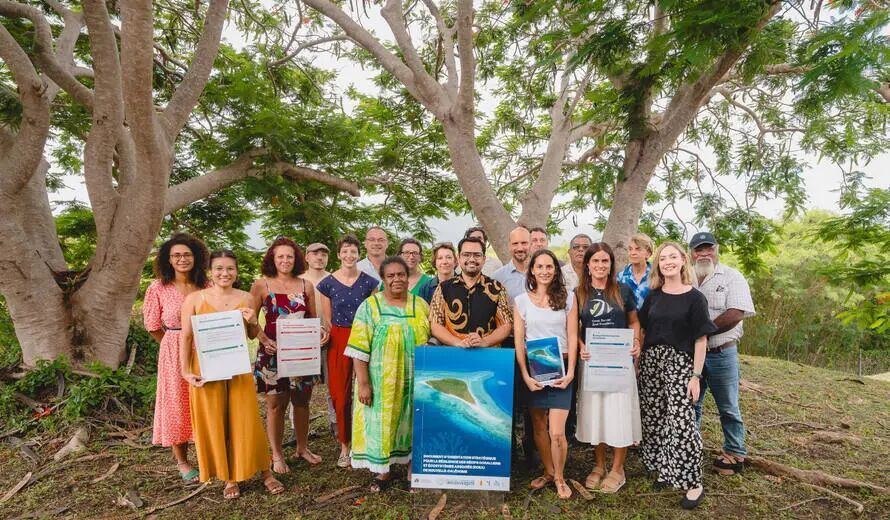
The lagoons of New Caledonia, France—a World Heritage site recognized for coral reef diversity and associated ecosystems—have taken proactive measures to protect their reefs by launching their first strategic coral reef restoration plan. The strategy brings together all partners associated with the World Heritage-listed reefs to collectively explore their future. It is expected to enhance the resilience of ecosystems and communities that depend on coral reefs in the face of climate change.
The lagoons of New Caledonia were inscribed on the World Heritage List in 2008 and contain some of the most structurally diverse coral reefs in the world, with exceptionally rich marine biodiversity. Like coral reefs globally, they face local pressures such as sedimentation and overfishing, further exacerbated by climate impacts including cyclones and ocean warming.
Source: whc.unesco.org
14
The Bern III Conference

The Bern III Conference was held from January 23 to 25, 2024, in Bern, Switzerland. It brought together representatives from parties and secretariats of 16 multilateral environmental agreements (MEAs) to develop ideas for strengthening cooperation among these agreements at global, regional, and national levels, in order to implement the Kunming-Montreal Global Biodiversity Framework (GBF).
Source: whc.unesco.org
15
“Heritage-Based Climate Action” International Virtual Conference

The conference was organized by ICCROM under its “First Aid and Resilience for Cultural Heritage in Times of Crisis (FAR)” program. It crossed disciplinary boundaries to explore the critical intersections between heritage conservation, climate action, disaster resilience, and sustainable peace.
The three-day event focused on the “Net Zero: Heritage for Climate Action” project, a two-year capacity-building initiative supported by the Swedish Postcode Foundation. It showcased transformative actions implemented across five heritage sites worldwide. From Jodhpur in India to Tuti Island in Sudan, participants learned about innovative approaches that integrate heritage conservation, climate action, and community resilience.
The conference aimed to bring together diverse stakeholders for comprehensive discussions, knowledge sharing, and collaboration, emphasizing the integration of culture into sustainable and resilient responses to climate change while protecting heritage. Drawing on experiences from five field projects under the “Net Zero” initiative, the conference included stakeholder roundtables, keynote speeches, video presentations, and reflections.
For more details, see the concept note:
https://www.iccrom.org/sites/default/files/2024-02/en_01_far_heritage_based_climate_action_concept_note_at_mc310123_final_iccrom_2024.pdf
Source: Asian Heritage Management Society
16
Webinar on Journal Submissions in the Field of Cultural Heritage Law

On March 1, the partner of the “Chair in Cultural Heritage Law,” the UNESCO Chair in International Law and Cultural Heritage at the University of Technology Sydney, held a webinar on journal submissions in the field of cultural heritage law.
This event is part of the “Young Researchers Training Program in Cultural Heritage Law” organized by the Chair. It invited editors-in-chief or editorial board members from three major journals in the field to introduce submission processes and requirements.
Source: Cultural Heritage and Law
Domestic Heritage News
01
IUCN 2024 Asia Regional Members Committee Meeting Held in Haikou, Hainan Province

From January 9 to 10, 2024, the IUCN Asia Regional Members Committee Meeting was held in Haikou, Hainan Province. Supported by the Department of International Cooperation of the Ministry of Natural Resources, the meeting was jointly organized by the Hainan Provincial Forestry Bureau and the Biodiversity Committee of the Chinese Academy of Sciences.
More than 40 participants attended, including representatives from IUCN national committees of Japan, Bangladesh, and others, as well as representatives from government agencies such as the Maldives Ministry of Climate Change, Environment and Energy, Laos Ministry of Foreign Affairs, Myanmar Forestry Department, Sri Lanka Ministry of Environment, Indonesia’s biodiversity authorities, and Thailand’s national park research centers. Additional representatives from Pakistan, South Korea, IUCN Council, and the World Commission on Protected Areas participated online.
Source: Chinese Academy of Sciences Biodiversity Office
02
Guidelines for Preparing Spatial Planning for Historical and Cultural Heritage Protection Officially Implemented

On January 1, 2024, the “Guidelines for the Preparation of Spatial Planning for Historical and Cultural Heritage Protection,” issued by the Ministry of Natural Resources, officially came into effect. The guidelines aim to guide and standardize technical aspects of heritage protection within spatial planning at all levels and promote high-quality development in heritage conservation and utilization.
Incorporating cultural heritage protection into spatial planning is a requirement set by the central government. The guidelines clarify the technical measures for implementation, providing recommendations on protection lists, heritage protection boundaries, regional characteristics zoning, safety and resilience of heritage sites and their environments, intangible cultural heritage, infrastructure, and coordination of above-ground and underground spaces.
Source: National Cultural Heritage Administration
03
Public Participation Mechanism for the Protection and Inheritance of the Beijing Central Axis Approved
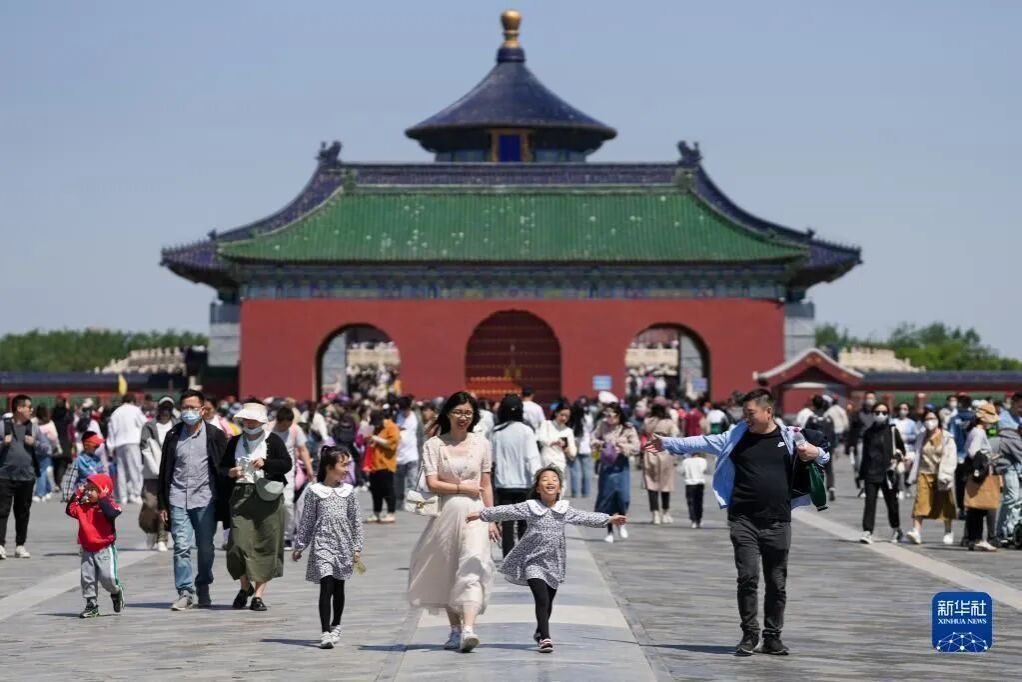
The Beijing Municipal Cultural Heritage Bureau announced the approval of the “Public Participation Mechanism for the Protection and Inheritance of the Beijing Central Axis (Trial).”
The mechanism states that all members of the public have the responsibility and obligation to protect the Central Axis and have the right to stop and report acts of damage. Beijing will establish systems for public heritage supervisors and volunteer participation, encouraging public oversight and feedback, and promoting volunteer involvement using cultural knowledge and professional skills.
Source: National Cultural Heritage Administration, Xinhua News Agency
04
National Conference of Directors of Cultural Heritage Bureaus Held in Beijing

From January 5 to 6, the National Conference of Directors of Cultural Heritage Bureaus of China was held in Beijing. On the 8th, the National Cultural Heritage Administration revealed in its official “Outlook 2024” that in 2024 it will fully advance the nomination of the Beijing Central Axis for World Heritage status and launch a special initiative to enhance World Cultural Heritage protection capacity.
According to “Outlook 2024,” this year the Administration will initiate the selection and nomination process for the ninth batch of National Key Cultural Relics Protection Units; launch the “Building China” program; advance the major project on the Yingxian Wooden Pagoda; implement demonstration projects for protection and research; carry out corridor bridge conservation actions; and promote protection projects for key grotto temples, painted sculptures, and murals. It will also establish a system for disaster prevention, mitigation, and emergency response for cultural heritage and advance preventive conservation for historic buildings.
Source: China News Service
05
The First Diplomatic Intangible Cultural Heritage Gala Builds an International Platform for Civilizational Exchange

The first Diplomatic Intangible Cultural Heritage Gala, themed “Inheritance, Communication, and Transmission,” was recently held in Beijing. The event aims to promote international exchange and cooperation among intangible cultural heritage traditions and, through the unique perspectives and communication channels of diplomats, create an international platform for mutual learning among civilizations.
The gala featured diverse and vibrant performances, including Chinese ethnic costume shows such as Miao Embroidery, Chinese folk songs like This Is Tibet, Chinese opera medleys including Peking Opera Highlights and Sichuan Opera Face-Changing, Chinese acrobatics such as Zhongfan, and traditional Chinese magic. It also included intangible cultural heritage performances recommended by foreign embassies in China, such as Cuba’s Rumba, Cameroon’s drum dance The Sun Rises, Malaysia’s traditional Zapin dance, and Russia’s Competitive Dance. Many young inheritors of intangible cultural heritage also participated, showcasing a wide range of global traditions.
Source: China News Service
06
“Guarding Our Roots • Cultural Heritage Preservation and Development of Zhuangzhai” International Forum

To further explore the preservation and development of Zhuangzhai cultural heritage in Fujian Province, the Center for Research on Folk Historical Documents at Xiamen University, the UNESCO Chair on Living Heritage and Community Development, the Center for Land and Cultural Resources Research at Fudan University, the Fujian Normal University Research Center for Fujian-Taiwan Regional Studies, the Fujian International Communication Center, and the Yongtai County Cultural Heritage Protection Office will jointly host the “Guarding Our Roots • Cultural Heritage Preservation and Development of Zhuangzhai” International Forum on February 18, 2024, at the Zhang Clan Ancestral Hall in Yongtai Zhuangzhai, Fujian Province.
February 18 marks the day when descendants of the Zhang clan from Xiufeng Village, Dongyang Township, Yongtai County—many of whom had emigrated to the United States—return collectively to perform ancestral worship. Over 200 years ago, a branch of the Zhang clan migrated to Lianjiang, and later generations settled abroad. In 2022, through historical documents, they traced their roots back to Xiufeng Village and confirmed it as their ancestral origin. They chose the ninth day of the first lunar month—traditionally considered the birthday of the Jade Emperor—for their collective return.
Taking advantage of this ancestral ceremony, the forum will be held in the Zhang ancestral hall, inviting leading scholars from China and abroad to examine the value of Yongtai Zhuangzhai heritage and explore pathways for sustainable rural development.
Source: Runwu Heritage
07
Dunhuang Academy Cultural Heritage Protection Team Awarded “National Outstanding Engineering Team”

On the morning of January 19, the “National Engineering Award” ceremony was held at the Great Hall of the People in Beijing. Eighty-one individuals were awarded the title of “National Outstanding Engineer,” and 50 teams were recognized as “National Outstanding Engineering Teams.” Among them, the cultural heritage protection team of the Dunhuang Academy received the “National Outstanding Engineering Team” honor.
Since establishing a conservation research group in 1944 to carry out sand removal, mural restoration, and cliff stabilization at the Dunhuang grottoes, the Academy has continuously advanced its work. In 1984, it fully launched systematic conservation research, and in 2014 it established a monitoring center for the Dunhuang caves. Over time, it has developed a high-quality, integrated team of nearly 200 professionals combining production, education, research, and application.
Through generations of sustained effort, the Dunhuang Academy has overcome numerous technical challenges in mural conservation, earthen site and grotto protection, Silk Road heritage monitoring and early warning systems, on-site protection of excavated relics, and geotechnical heritage conservation—ensuring that Dunhuang, the “Pearl of the Silk Road,” continues to shine.
Source: National Cultural Heritage Administration
08
Heilongjiang Provincial Spatial Plan (2021–2035) Approved by the State Council

The State Council issued its approval, in principle, of the “Heilongjiang Provincial Spatial Plan (2021–2035)” reviewed by the Ministry of Natural Resources. The approval emphasizes that the plan serves as a guide for spatial development and a blueprint for sustainable development, forming the basis for all development, protection, and construction activities.
It calls for systematic optimization of the spatial pattern of development and protection, improvement of mechanisms for safeguarding cultural and natural heritage spaces, and strengthening integrated protection and activation of these resources. It also highlights the need to enhance protection of historical and cultural heritage sites such as the Shangjing Longquanfu site of the Bohai Kingdom and the Shangjing site of the Jin Dynasty, as well as revolutionary heritage, while preserving original ecological landscapes and building an integrated spatial system for cultural, natural, and landscape resources.
Source: China News Service
09
Interpretation of the “Management Measures for World Geoparks” by the National Forestry and Grassland Administration

The National Forestry and Grassland Administration issued the “Management Measures for World Geoparks,” providing a fundamental framework for promoting standardized, orderly, and sustainable development of UNESCO Global Geoparks in China.
According to officials, the Measures establish three main management systems: an application system, a revalidation and boundary adjustment system, and a supervision and management system.
They clarify that World Geoparks are sustainable development areas recognized by UNESCO and are not newly designated nature reserves. Their daily management must comply with national laws and regulations while balancing resource protection with regional sustainable development. Overlapping areas with existing protected areas must follow relevant regulatory requirements.
The Measures also introduce a two-stage application process: domestic recommendation followed by international submission.
For more details, visit:
https://mp.weixin.qq.com/s/GVWV9Qxamb8Eq5i5vIfDDg
Source: China Green Times
10
Beijing to Establish Cultural Heritage Resource Catalogue and Database
Beijing’s fourth national cultural relics survey will begin full field investigations this May, with a plan to complete the establishment of a cultural heritage resource catalogue and database within approximately three years. Currently, pilot work in Dongcheng District, focusing on the Qianmen area, has already completed field investigations of more than 20 immovable cultural heritage sites.
On the 6th, the leading group for Beijing’s fourth national cultural relics survey held its first meeting, reviewing and approving the implementation plan and coordinating the advancement of all related work.
Source: China News Service
11
Empowering Northeast Revitalization through Cultural Heritage | The 4th International Academic Symposium on Railway Heritage

Source: Asian Heritage Management Society
12
2024 Global Awards for World Heritage Education Innovation (AWHEIC)

In 2021, WHITRAP successfully organized the “Global Call for World Heritage Education Innovation Cases” alongside the 44th World Heritage Committee session, creating an international exchange platform for heritage education practitioners. In 2022, marking the 50th anniversary of the World Heritage Convention, the initiative was upgraded into the “Global Awards for World Heritage Education Innovation.”
As a new model in the era of science and innovation, the award differs from traditional ones by its inherent network-based nature. From the outset, it transcends one-way recognition, emphasizing professionalism, openness, and interactive connectivity. It brings together like-minded participants to collectively respond to new global challenges.
Its development is a process of mutual discovery, shared growth, and collective achievement among all participants. As resources continue to accumulate, the innovative network effects—generated through multi-party interaction—will create expanding opportunities. The 2024 submission deadline is May 15. Participation is encouraged. For more information, visit:
http://www.whitr-ap.org/index.php?classid=1518&newsid=3633&t=show
Source: UNESCO Asia-Pacific World Heritage Training and Research Center
13
“Sanya Regulations on the Protection of Intangible Cultural Heritage” to Take Effect on April 1

On February 23, Sanya issued the “Regulations on the Protection of Intangible Cultural Heritage in Sanya,” consisting of 23 articles addressing protection, transmission, and development. The regulations will take effect on April 1, 2024.
According to the Sanya Bureau of Justice, the regulations aim to strengthen protection and transmission of local traditions, address issues such as weak infrastructure, insufficient funding, a declining and aging pool of inheritors, and lack of long-term mechanisms, and ensure a legal basis for sustainable development of intangible cultural heritage.
Sanya currently has 29 intangible cultural heritage items, including 3 at the national level, 12 at the provincial level, and 14 at the municipal level, covering fields such as folklore, folk literature, traditional music, dance, medicine, craftsmanship, sports, and acrobatics. There are 57 recognized inheritors and several training centers and workshops supporting transmission.
Source: Sanya Municipal Government, Hainan Provincial Government
14
Henan Provincial Symposium on Cultural Heritage Protection and Transmission Held
On February 22, a provincial symposium on cultural heritage protection and transmission was held in Zhengzhou, focusing on implementing cultural policy and advancing heritage work.
The meeting emphasized prioritizing protection and inheritance, properly balancing relationships between protection and utilization, development, and exploitation, and improving overall conservation capacity. It called for integrated protection of tangible and intangible heritage, strengthened preservation of historic cities, districts, and villages, and promotion of systemic conservation.
It also highlighted the need to improve legal systems, strengthen enforcement and supervision, and ensure accountability. The province will deepen integration of culture, tourism, and creative industries, strengthen archaeological research, implement cultural revitalization initiatives, and promote major cultural themes such as the Yellow Emperor’s homeland, the Yellow River, ancient capitals, and Chinese martial arts.
Source: National Cultural Heritage Administration
Compiled by: Lü Jiaxin
Edited by: Lü Jiaxin, Park Lina
Reviewed by: Li Guanghan, Wang Siyu
Final Review: Shen Ruiwen, Zhang Jianwei