Expert Introductions
(Ordered according to the forum schedule)
Youth Session
Moderator: Wang Siyu

Assistant Professor at the School of Archaeology and Museology, Peking University; Director of the Public Archaeology and Art Center at Peking University. Research areas include new museology, museum exhibition criticism, critical heritage studies, and heritage communities.
Discussant: Ling Ming

Deputy Director of the Beijing Municipal Cultural Heritage Bureau; Vice Chairman of the Chinese Society of Cultural Relics.
Speaker: Zhou Xiaofeng

Postdoctoral researcher at the School of Tourism Management, Sun Yat-sen University.
Presentation Title:
Seeing the Big from the Small: Tourism Communication of the Integrated Cultural and Natural Value of the Great Wall
Speaker: Fu Shulan

Associate Professor in the Department of Regional and Urban Planning, College of Civil Engineering and Architecture, Zhejiang University; Deputy Director of the International Center for Architectural History and Heritage Conservation.
She holds a PhD from the University of Tokyo and is also a KAFS Fellow at the Kyujanggak Institute for Korean Studies, Seoul National University. She is a member of the Academic Committee on Planning History and Theory of the Urban Planning Society of China, Vice Director of the Famous City Protection Committee of the Zhejiang Provincial Territorial Spatial Planning Society, and Chief Expert at the Zhejiang Provincial Research Center for Historical and Cultural Cities, Towns, and Villages.
Her main research areas include modern Chinese urban planning history, historic urban landscapes, and cultural heritage conservation. She has published the monograph The Formation History of Hangzhou as a Scenic City (Southeast University Press, 2015), as well as multiple academic papers on history, cities, and conservation in China and East Asia, and has received several domestic and international awards, including the East Asian Planning History Prize. She has led multiple policy consultation projects on urban historical and cultural resource protection for the Zhejiang Provincial Department of Housing and Urban-Rural Development, and has participated in conservation practices in Lumbini (Nepal) and Asuke (Japan).
Presentation Title:
The Formation of Modern Scenic Area Systems
Speaker: Wen Cheng

Graduated from the School of Electronics Engineering and Computer Science at Peking University with a PhD in Radio Physics; previously conducted research on biodiversity distribution patterns in China at the School of Life Sciences, Peking University. Since 2007, he has served as an expert with the IUCN Species Survival Commission, and since 2018 as a member of the World Heritage Expert Committee of the National Forestry and Grassland Administration. He is currently General Manager of Beijing Jinglang Ecological Technology Co., Ltd.
In recent years, he has led projects including China’s bird diversity assessment, ecological network construction in Beijing, and a series of territorial spatial ecological restoration planning projects, as well as pilot projects on freshwater wetland ecological restoration under “Nature-based Solutions” to address climate change across North, East, South, Southwest, and Central China. He has also been a core member in World Heritage nomination projects such as Hoh Xil in Qinghai and the Yellow (Bohai) Sea Migratory Bird Habitat.
Dr. Wen and his Jinglang team have made significant breakthroughs in ecological conservation planning and restoration practice, receiving awards including the Huaxia Construction Science and Technology First Prize (2019), Beijing Hydraulic Engineering Society Science and Technology First Prize (2022), and the Urban Planning Society of China Science and Technology Progress Second Prize (2023).
Presentation Title:
Insights from the Connection Between Natural and Cultural Heritage Values for Ecological Restoration
Speaker: Lü Ning

PhD in Engineering from Tsinghua University; Senior Engineer; Registered Urban and Rural Planner; Registered Cultural Heritage Conservation Designer. Currently serves as Deputy Director of the First Institute at the Beijing Guowenyan Cultural Heritage Conservation Center.
A student of Professor Lü Zhou at the National Heritage Center of Tsinghua University, she has long been engaged in cultural heritage protection research and practice. She has published over 30 papers in domestic and international conferences and journals, led or participated in more than ten major national research projects, received over ten provincial and ministerial-level awards, and been responsible for more than 50 conservation practice projects.
Presentation Title:
Exploring Paradigm Shifts in World Heritage Protection and Management
Speaker: Zhou Mengyuan
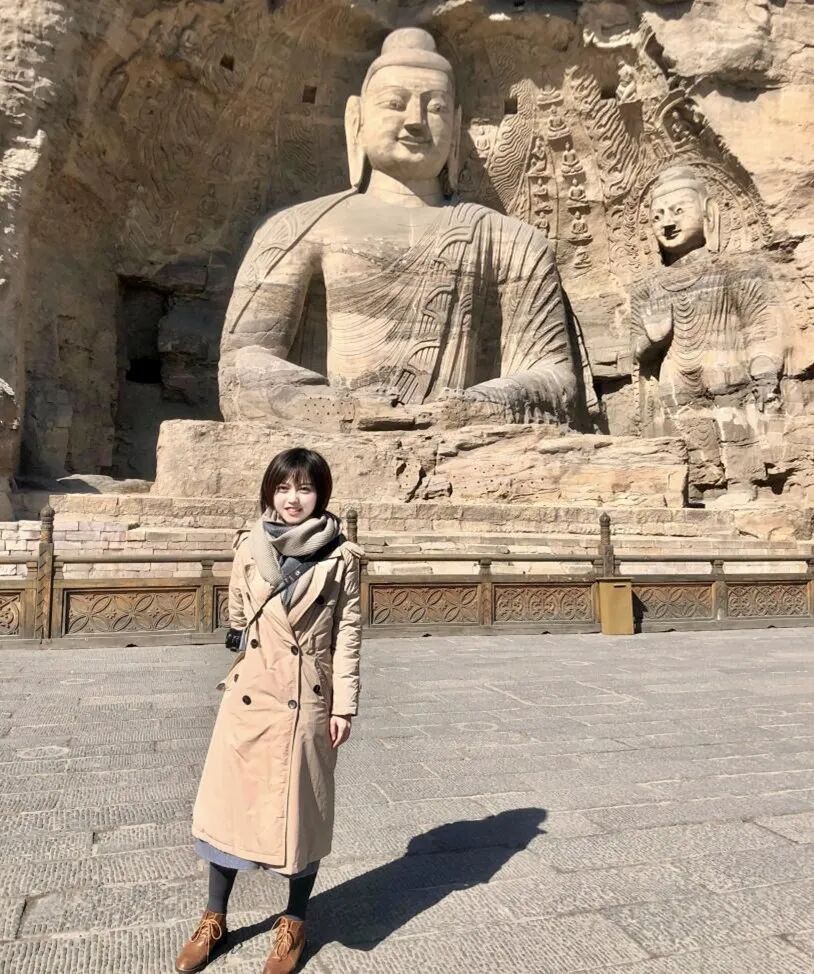
Master’s degree in Art History from the University of Sussex, PhD in Archaeology from Fudan University. Currently a postdoctoral researcher in archaeology at Fudan University and a lecturer at the School of Art, Soochow University. Research areas include grotto temple conservation and art archaeology, art heritage, and theories of heritage value.
Presentation Title:
Tracing the Conceptual Origins of the “Three Major Values” of Cultural Relics in China
Speaker: Cai Shiyu

PhD candidate in archaeology at the School of Archaeology and Museology, Peking University; intern at the UNESCO Asia-Pacific World Heritage Training and Research Centre (Beijing). Her research focuses on transport heritage and urban heritage. She has long conducted fieldwork and research in Yunnan and Sichuan along the South Asian Corridor of the Silk Road and has participated in multiple cultural heritage conservation practices.
Presentation Title:
City and Water Interdependence: Riverside Life in Langzhong, Past and Present
Discussant: Yan Haiming

Bachelor’s degree in Sociology from Peking University; PhD in Sociology from the University of Virginia. Currently Deputy Director and Associate Research Fellow at the China World Cultural Heritage Center of the Chinese Academy of Cultural Heritage; Director of the Secretariat of ICOMOS China.
His research focuses on World Heritage and heritage in Chinese society. He has been involved in World Heritage research and nomination projects such as the Maritime Silk Road and the Erlitou Site, and contributed to the exhibition outline of the Luoyang Sui-Tang Grand Canal Cultural Museum. He is also a contributor to the National Social Science Fund special commissioned project Illustrated Grand Canal (awarded “China Good Book” 2022).
He has led training and academic cooperation projects between the Chinese Academy of Cultural Heritage and institutions such as ICCROM and the Italian National Research Council, and has led the compilation of UNESCO’s World Heritage Capacity Building Manual series. He is the author of the English monograph World Heritage Craze in China: Universal Discourse, National Culture and Local Memory.
Discussant: Fan Jialing

Lecturer and Master’s supervisor at the School of History, Capital Normal University; Deputy Director of the Museum Development Research Center at the same university. She holds a bachelor’s degree in archaeology and a PhD in cultural heritage conservation from Peking University, and a master’s degree in Archaeological Site Management from the Institute of Archaeology, University College London (UCL).
She previously worked at the Chinese Academy of Cultural Heritage and has led or participated in more than ten national and provincial research projects and heritage conservation initiatives, including policy research in the cultural heritage sector, World Heritage nominations, conservation planning, and archaeological site park planning. Her research interests include heritage conservation, World Heritage nomination and management, public archaeology, museology, heritage conservation history, and critical heritage studies.
She is dedicated to teaching and public outreach in archaeology and museology, has received multiple teaching awards including the “Most Beautiful Classroom” Second Prize in Beijing universities, and has been invited as a guest for CGTN’s Sanxingdui excavation livestream and as an expert advisor for CCTV’s China Archaeology Conference. She is the founder and director of the archaeology-focused new media platform “Archaeology Observation Station,” supported by a national initiative led by five ministries including the National Cultural Heritage Administration. She has also co-authored the popular science book Simple Principles in a Complex World: Cultural Relics and Archaeology—Discovering Our Past.
Discussant: Xu Tong
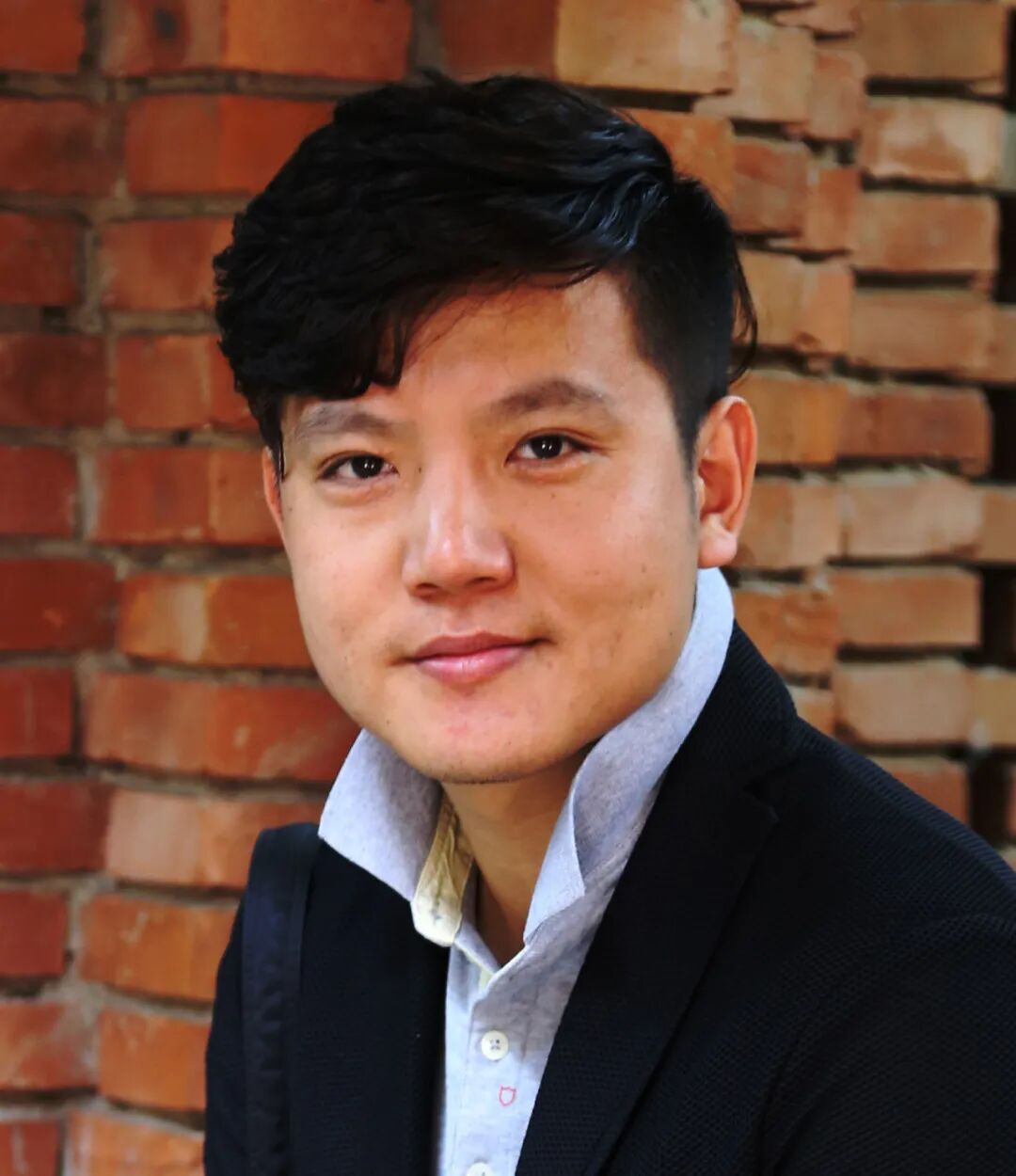
Associate Professor at the School of Landscape Architecture, Beijing Forestry University; PhD from the University of Tokyo. Member of the Cultural Landscape Committee of the Chinese Society of Cultural Relics and the Chinese Society of Landscape Architecture; editorial board member of Traditional Chinese Architecture and Gardens; member of the National Natural Science Foundation review expert database and the China Scholarship Council evaluation panel.
His research focuses on cultural landscapes and heritage conservation, as well as urban conservation and design. He has led and participated in numerous national-level cultural relic protection and World Heritage nomination projects.
Discussant: Zhang Xiaogu

Associate Research Librarian at the Palace Museum. Graduated from the School of Archaeology and Museology, Peking University, majoring in ancient architecture, with bachelor’s and master’s degrees in history. Since joining the Palace Museum’s Department of Ancient Architecture in 2013, she has been engaged in research on the conservation of historic buildings and serves as a member of the Palace Museum World Heritage Monitoring Center, responsible for environmental risk monitoring.
In recent years, she has led key research-based conservation projects such as the architectural environment study and remediation project for the Hall of Mental Cultivation and the Yanxi Palace Lingzhao Pavilion project, and participated in multiple projects on environmental management and preventive conservation. She has served as project leader for institutional research projects including “Study on the Preservation Environment and Risk Control of the Hall of Mental Cultivation” and “Environmental Governance of the Taihe Hall Area,” and as a core member of a national key R&D program on risk monitoring technologies for immovable cultural heritage.
She has also been responsible for international cooperation projects with the UK, Germany, and Japan. She has contributed to the Palace Museum World Heritage Monitoring Annual Reports and published more than ten academic papers, including studies on architectural environments in the Forbidden City, and has presented at numerous international conferences.
Discussant: Zhang Lisheng
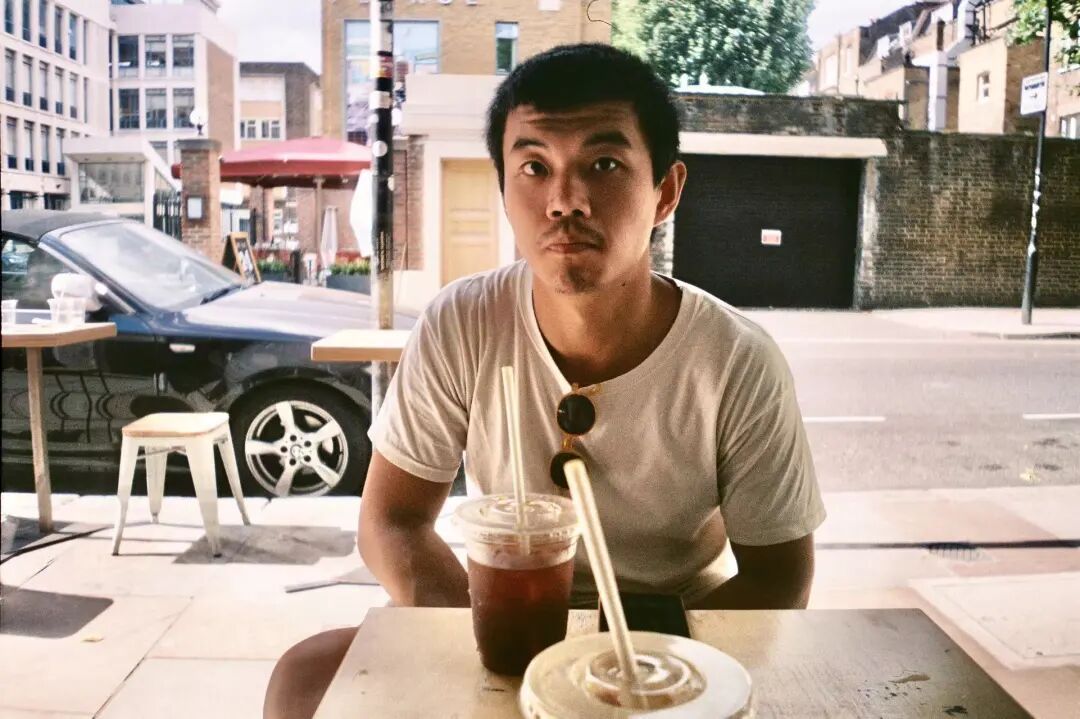
Assistant Professor in the Department of Sociology, Peking University; PhD in Anthropology from University College London (UCL). His research areas include material culture, museum anthropology, and heritage studies.
Discussant: Sun Jing

Associate Professor at the Quanzhou Institute of Cultural Heritage; PhD in Anthropology from Peking University. Her research focuses on social anthropology and heritage studies.
Discussant: Chang Junfu

Assistant Director of the Heritage Conservation Research Institute at the Architectural Design and Research Institute of Southeast University; Senior Planner; doctoral candidate in engineering at the School of Architecture, Southeast University.
He is mainly engaged in planning, design, and research related to heritage conservation. He has participated in major projects such as the Great Wall National Cultural Park, planning systems for historical and cultural protection in Xinjiang, and preliminary research for the World Heritage nomination of Mrauk-U in Myanmar. He has received multiple provincial and ministerial-level awards for outstanding engineering survey and design.
Edited by: Lü Jiaxin, Park Lina
Reviewed by: Li Guanghan, Wang Siyu
Final Review: Shen Ruiwen, Zhang Jianwei