This workshop brought together heritage management experts and practitioners from China, Japan, South Korea, Mongolia and other regions. Through lectures, participant presentations, group discussions and other sessions, it shared innovative practices and challenges in heritage management and deeply explored integrated approaches to regional heritage conservation.
On the morning of October 21, the workshop officially opened. Professor Shahbaz Khan, Director of the UNESCO Regional Office for East Asia (online), Shen Ruiwen, Dean of the School of Archaeology and Museology at Peking University, and Director Hong Changnam of the UNESCO World Heritage Interpretation and Presentation Center (WHIPIC) delivered opening remarks, welcoming the participants. Dr. Gamini Wijesuriya gave a keynote speech titled “World Heritage Management: Towards an Integrated Approach,” discussing new directions in heritage management. Subsequently, Professor Chen Yaohua from Peking University gave a lecture, sharing the practice of integrating tangible and intangible values in the Cultural Landscape of Old Tea Forests of Jingmai Mountain in Pu’er.


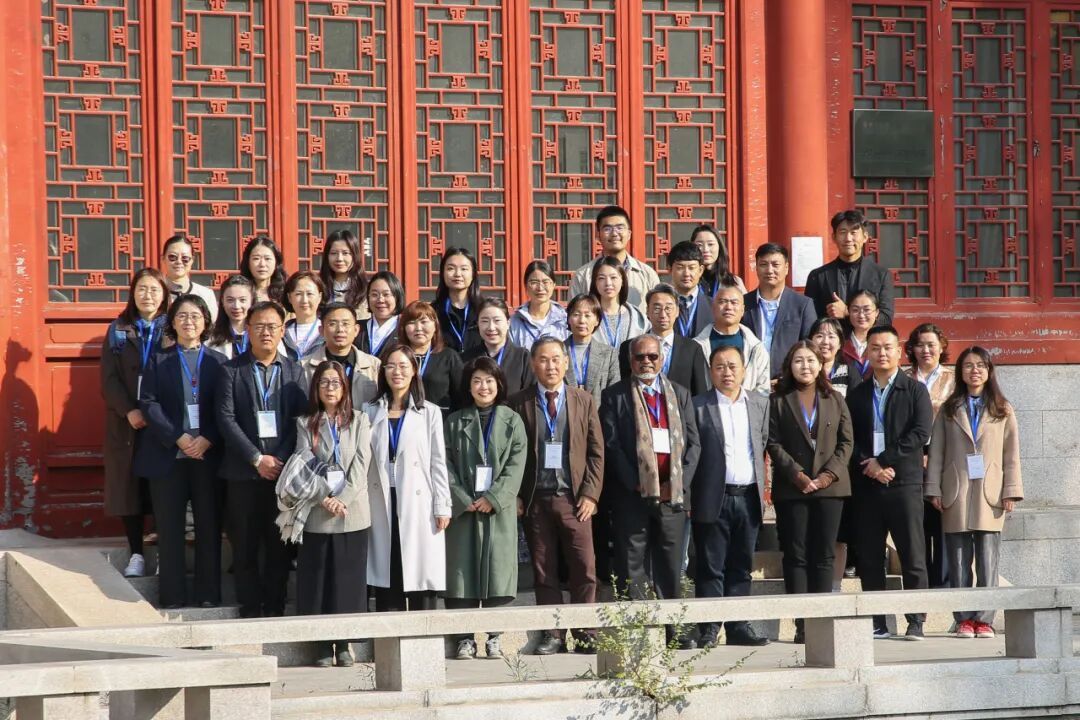
In the afternoon, participants first briefly introduced their respective heritage sites. Then, in group work sessions, participants were divided into four groups with themes of cultural landscapes, archaeological sites, and urban heritage. Under the guidance of expert advisors, they engaged in lively discussions on how to identify the tangible and intangible attributes of heritage sites and the ways these attributes coexist.
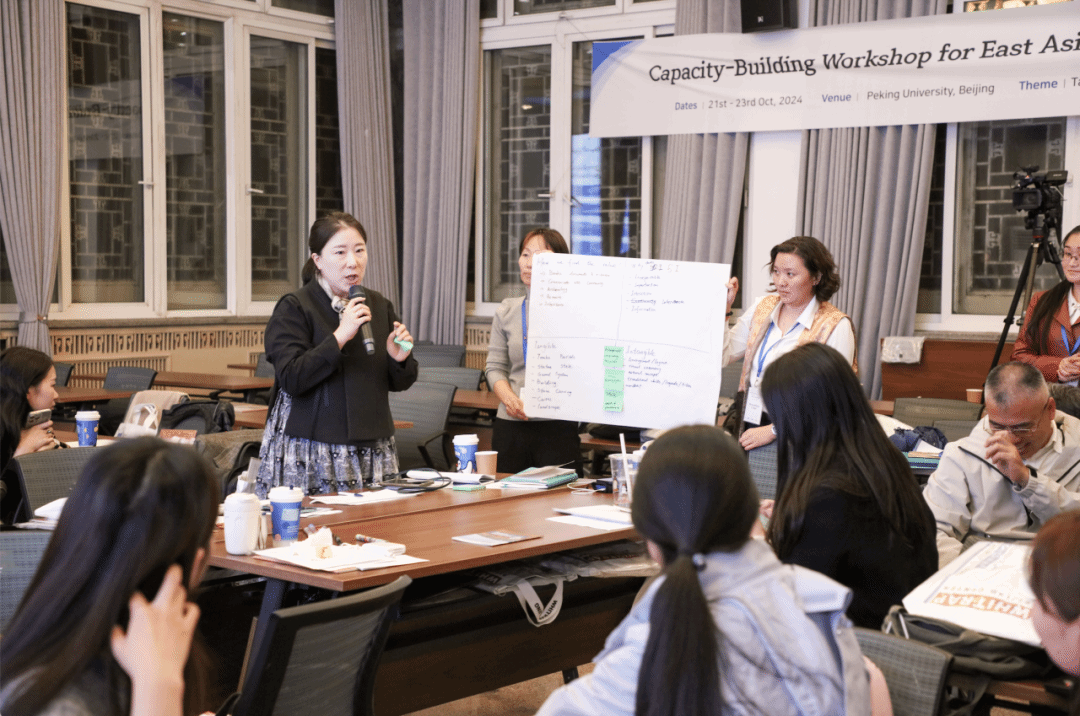
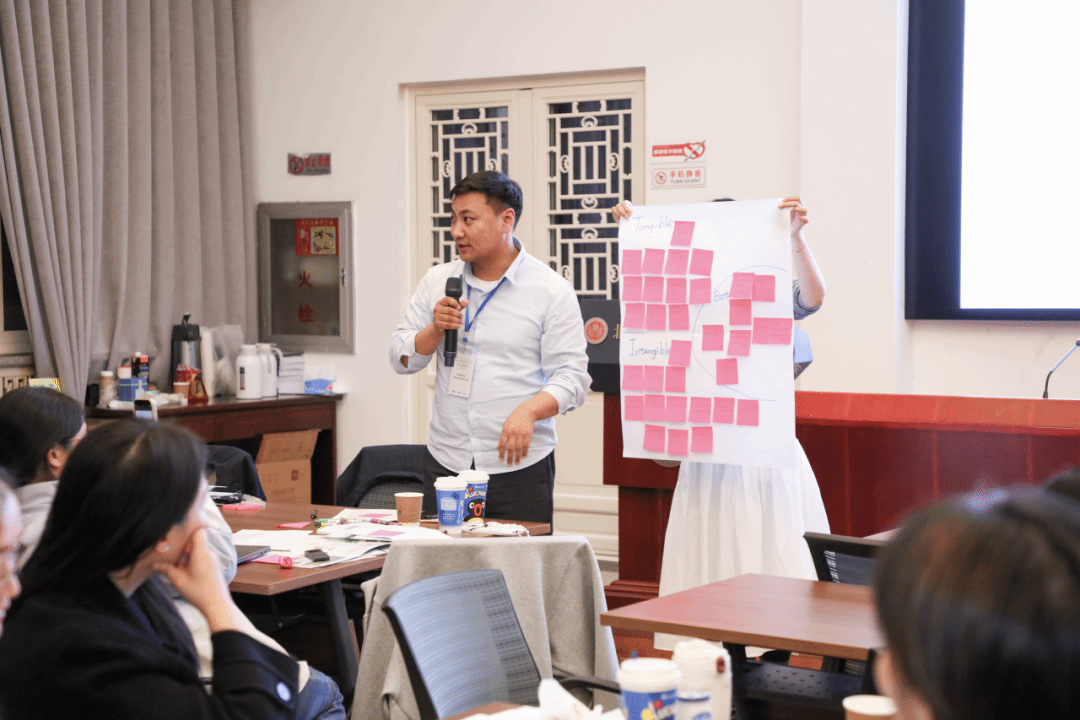

On the morning of October 22, expert advisors provided feedback on the previous day’s group outcomes, and participants received further guidance and inspiration during discussion sessions. Subsequently, each group continued in-depth discussions on exploring shared approaches in heritage management and exchanged the results of their group discussions. In the afternoon, a field visit took participants to the Drum Tower and the Zhengyangmen Arrow Tower on the Beijing Central Axis, offering an in-depth understanding of the conservation and presentation strategies of this historical and cultural heritage, thereby combining theory with practice.


On October 23, the workshop entered its final phase. Participants, through paired work sessions, formulated future action plans for their respective heritage sites and summarized the learning outcomes achieved during this time. In group presentations and open discussion sessions, participants shared the potential challenges and obstacles they may face in future practical implementation. Then, the moderators and advisors summarized the achievements of the entire workshop, presented certificates to the attendees, and officially concluded the event. After the workshop, some participants also visited the Arthur M. Sackler Museum of Art and Archaeology at Peking University, further enhancing their understanding of cultural heritage conservation.


This workshop was successfully held, providing valuable opportunities for exchange and collaboration among heritage management practitioners in East Asia and promoting the application and development of integrated approaches in heritage management practice.