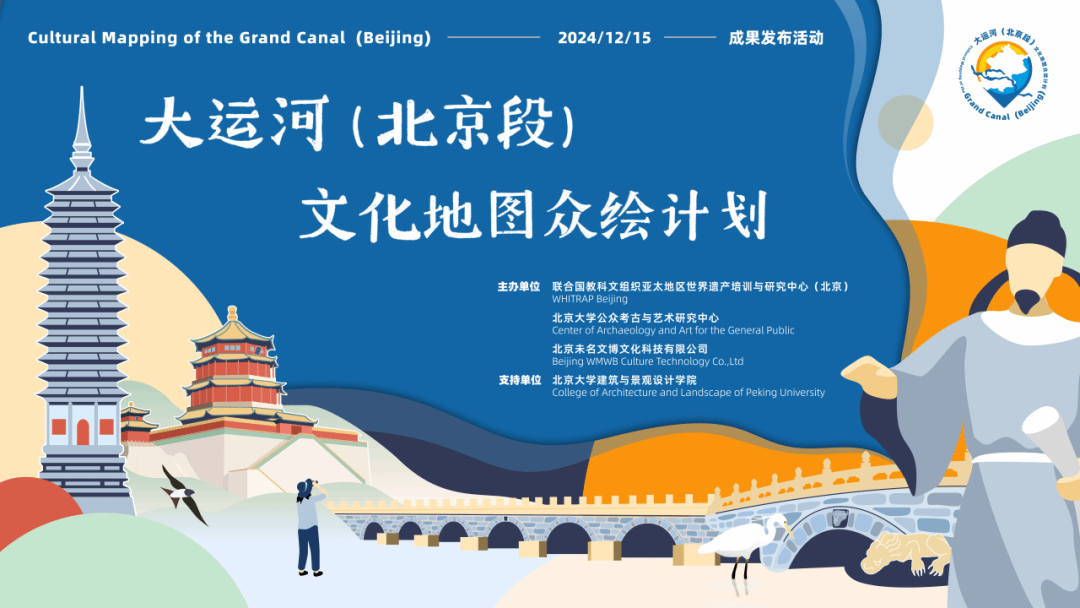
December 15, 2024, the Grand Canal (Beijing Section) Cultural Mapping Crowdsourcing Project Results Release Event was successfully held in the Lecture Hall on the first floor of the College of Architecture and Landscape Architecture at Peking University. This event was co‑organized by the UNESCO Asia‑Pacific World Heritage Training and Research Center Beijing Branch (WHITRAP Beijing), the Center for Public Archaeology and Art Research at Peking University, and Beijing Weiming Wenbo Cultural Technology Co., Ltd., and was supported by the College of Architecture and Landscape Architecture at Peking University. The event was divided into two sessions: results sharing and participation sharing. Wang Siyu, Researcher at the School of Archaeology and Museology, Peking University, and Director of the Center for Public Archaeology and Art Research at Peking University, moderated the event.
In August 2023, the “Grand Canal (Beijing Section) Cultural Mapping Crowdsourcing Project” was jointly initiated by the three organizations. Since the project’s launch, it has recruited over one hundred volunteers and invited more than ten supervising teachers to actively participate. Surveys and systematic documentation of Grand Canal cultural resources were conducted in seven administrative districts of Beijing. A total of 402 cultural resource data points were collected, 25 cultural short videos were produced and released, five regional cultural maps were drawn, and one Grand Canal (Beijing Section) cultural scroll was created.
Guest Speeches
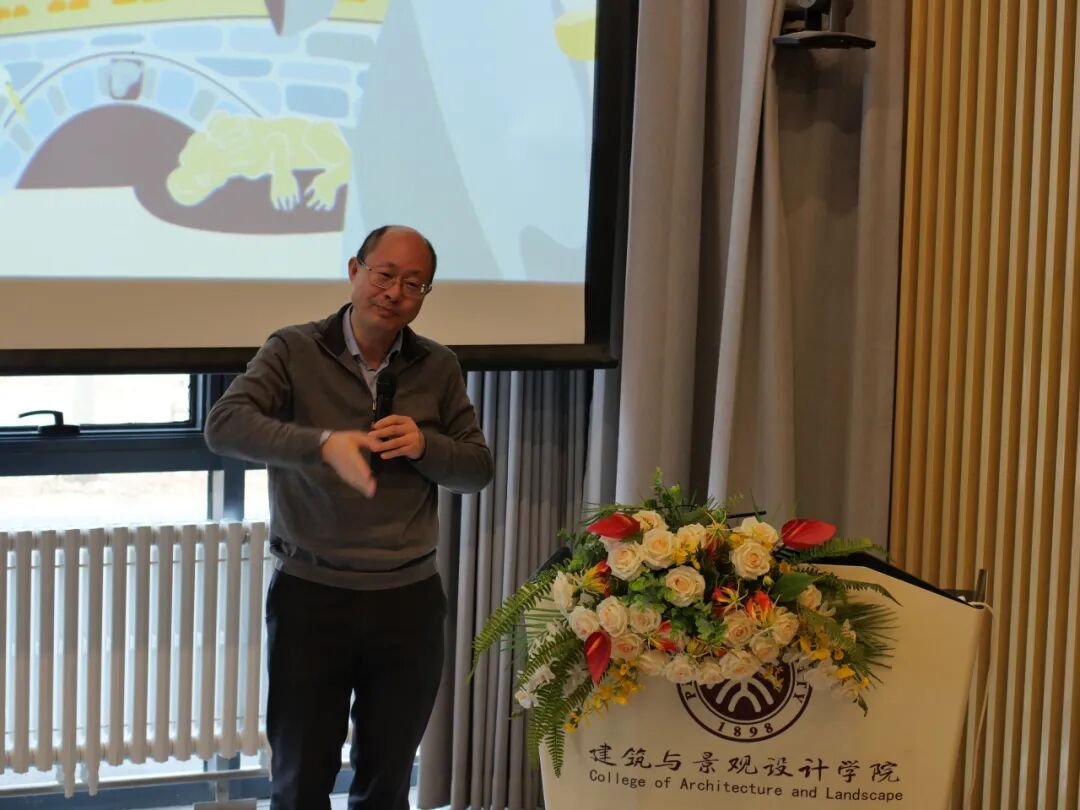
Zhang Jianwei, Researcher at the School of Archaeology and Museology, Peking University, and co‑initiator of the “Crowdsourcing Project,” first delivered a welcome speech, expressing heartfelt gratitude for the active participation of the volunteers. He reviewed the continuity between the Grand Canal (Beijing Section) heritage monitoring public participation activities and the Grand Canal (Beijing Section) Cultural Mapping “Crowdsourcing Project,” emphasizing that the core value of the “Crowdsourcing Project” lies first in the “crowd”—its significance is in broadening influence and stimulating broad participation, while encouraging wider social forces to engage in this endeavor, transforming enthusiastic responses into concrete actions. The release of the “Crowdsourcing Project” results is merely the first step; in the future, the organizers will continue this sustainable and efficient working model, leveraging the power of “the crowd” to bring dormant historical relics to life and infuse them with new vitality.

Zhang Jianwei delivering a speech
Li Dihua, Associate Professor at the College of Architecture and Landscape Architecture, Peking University, and Deputy Director of WHITRAP Beijing, first fully affirmed the value of the “Crowdsourcing Project,” noting that through the “crowdsourcing” approach, it cleverly fills current gaps in canal research. He also emphasized the importance of the daily lives of residents along the Grand Canal in related research, expressing anticipation that the experience from this event could be gradually extended from Beijing to all canal regions in China, advancing canal research and the dissemination of canal culture to a new stage. Canal research still holds many unknowns waiting to be explored; both academia and the general public should maintain long‑term and sustained attention to the Grand Canal.
Li Dihua delivering a speech
Shao Yong, Secretary General of WHITRAP, Director of its Shanghai Branch, Director of the Heritage Protection and Cultural Renaissance Institute at the Shanghai Tongji Urban Planning and Design Institute, and Professor at the College of Architecture and Urban Planning, Tongji University, first highly praised the innovative thinking demonstrated by the “Crowdsourcing Project” and the enthusiasm of the volunteers. She affirmed the significance of this event in enhancing youth understanding and stimulating public participation, and encouraged more social forces to get involved, transforming this profound affection for cultural heritage into tangible actions, making the ancient Grand Canal a bridge connecting youth and inspiring action, and jointly contributing to the protection and transmission of numerous cultural heritage sites, including the Grand Canal.

Shao Yong delivering a speech
Wang Yuwei, Researcher at the Beijing Municipal Cultural Heritage Bureau and former Director of the Cultural Relics Protection Division, spoke as a participant in the Grand Canal’s World Heritage nomination and a witness to its protection and presentation. He stated that the protection and research of the Grand Canal cannot be separated from the long‑term participation of the public. On one hand, during the early stages of the nomination, the active involvement of various sectors of society led to meticulous restoration of cultural relics along the route, laying a solid foundation for the nomination’s success. On the other hand, in the ten years since the nomination, relevant cultural and museum organizations have made unremitting efforts in heritage monitoring and ecological protection, achieving remarkable results. The protection of the Grand Canal has become an important part of Beijing’s urban cultural fabric. With the support of all sectors of society, the cultural heritage protection efforts for the Grand Canal will surely yield even more achievements, establishing a “Beijing Experience.”

Wang Yuwei delivering a speech
Results Sharing
Zhang Jianshuo, co‑initiator of the “Crowdsourcing Project,” member of the Cultural Landscapes Committee of ICOMOS China, and Senior Engineer, delivered a presentation titled “Cultural Mapping Crowdsourcing: An Innovative Practice of Public Participation in Heritage.” He detailed the origin, process, and outcomes of the cultural maps of the Grand Canal (Beijing Section) Crowdsourcing Project, as well as efforts in promotion, international exchange, and derivative activities carried out in collaboration with primary and secondary schools in Beijing.

Zhang Jianshuo sharing
The cultural maps are the primary outcome of the “Crowdsourcing Project.” Liu Qing, designer at the Weiming Wenbo Heritage Monitoring and Research Center and cultural map designer for the “Crowdsourcing Project,” gave a presentation titled “Cultural Maps: From Design to Co‑creation.” From a designer’s perspective, she shared the design concepts, site selection principles, and drawing process for the crowdsourced cultural maps, and introduced the workflow model for organizing volunteers in the crowdsourcing effort.

Liu Qing sharing
Participation Sharing
In 2024, the “Crowdsourcing Project” had the opportunity to invite faculty and students from Saint Petersburg State University of Architecture and Civil Engineering in Russia to participate. Professor Riadova Maria from Saint Petersburg State University of Architecture and Civil Engineering, representing her student team, shared knowledge about the World Heritage site “Historic Centre of Saint Petersburg and Related Groups of Monuments.” As a multi‑dimensional water city, Saint Petersburg’s history, strategy, urban planning, architecture, culture, and ecology are all closely tied to water. Through the production of short films, the team explored how to protect flowing cultural heritage and emphasized the importance of personal experience and transmission.

Riadova Maria sharing
The smooth implementation of the Crowdsourcing Project was inseparable from the hard work and selfless dedication of the volunteers. Wang Rui, volunteer for the Xicheng, Haidian, and Changping areas, student in Cultural Heritage Management at the University of Sheffield, UK; Liu Yuran, volunteer for the Dongcheng and Chaoyang areas, secretary at King & Wood Mallesons; and Wang Ziru, volunteer for the “Crowdsourcing Project” new media team, delivered presentations titled “Cultural Heritage of the Canal,” “The Grand Canal and My Memories and Life,” and “Spreading Tradition through Innovation: Enjoyably Mapping the Grand Canal,” sharing their personal experiences and insights from participating in the “Crowdsourcing Project.”

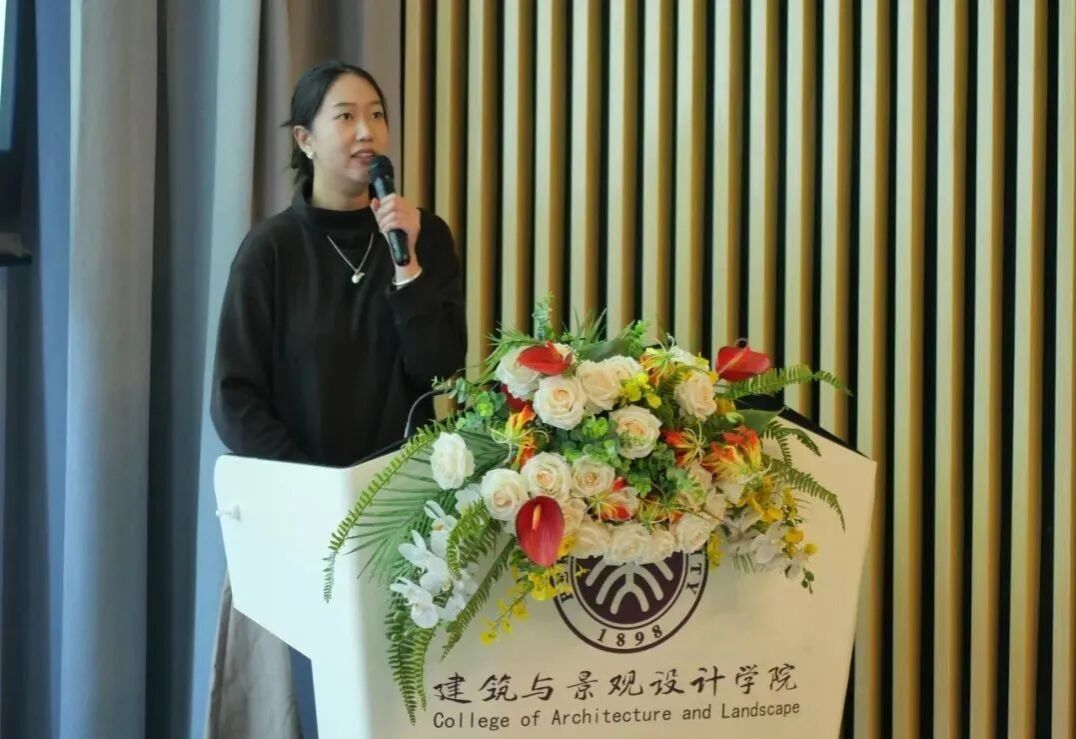

volunteer sharing
Two partner secondary schools also shared derivative activities of the Crowdsourcing Project. Teacher Zhang Jingyi from Beijing No. 4 High School International Campus gave a presentation titled “Practice and Reflections on Wall‑less Curriculum with the Grand Canal Theme,” detailing the practical process of offering a wall‑less cultural heritage course at the international school and organizing students to curate a Grand Canal‑themed exhibition, and sharing reflections on youth cultural heritage education.

Zhang Jingyi sharing
Teachers and students from the 9th grade of Beijing No. 1 Experimental School shared their entire process and journey of participating in the Cultural Mapping Crowdsourcing Project during the summer vacation and ultimately completing the Grand Canal Cultural Map (Youth Edition).

Teachers and students from Beijing No. 1 Experimental School sharing
During the final open sharing session, guests, industry partners, and volunteers shared their reflections and gains from the Crowdsourcing Project. With the successful conclusion of the open sharing session, the Grand Canal (Beijing Section) Cultural Mapping Crowdsourcing Project Results Release Event officially came to a close.
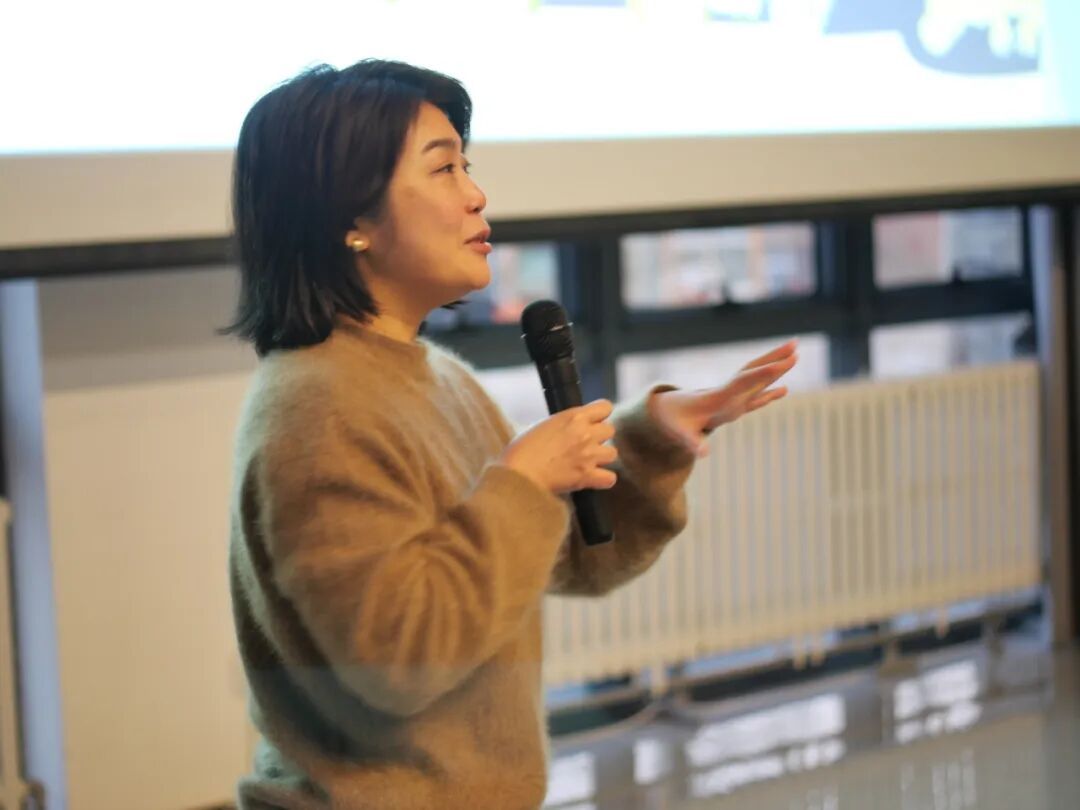
Interactive session
From the Grand Canal Heritage Monitoring Public Participation initiative to the Grand Canal (Beijing Section) Cultural Mapping Crowdsourcing Project, the Grand Canal‑related activities initiated by WHITRAP Beijing have attracted the attention and participation of a large number of volunteers from diverse backgrounds. From the bitter cold of winter to the scorching heat of summer, volunteers tirelessly traveled along the canal’s banks, contributing to the protection of the World Heritage Grand Canal. We sincerely thank all the volunteers for their enthusiastic participation and selfless dedication. The ancient canal will surely be revitalized with new vitality through everyone’s unremitting efforts!

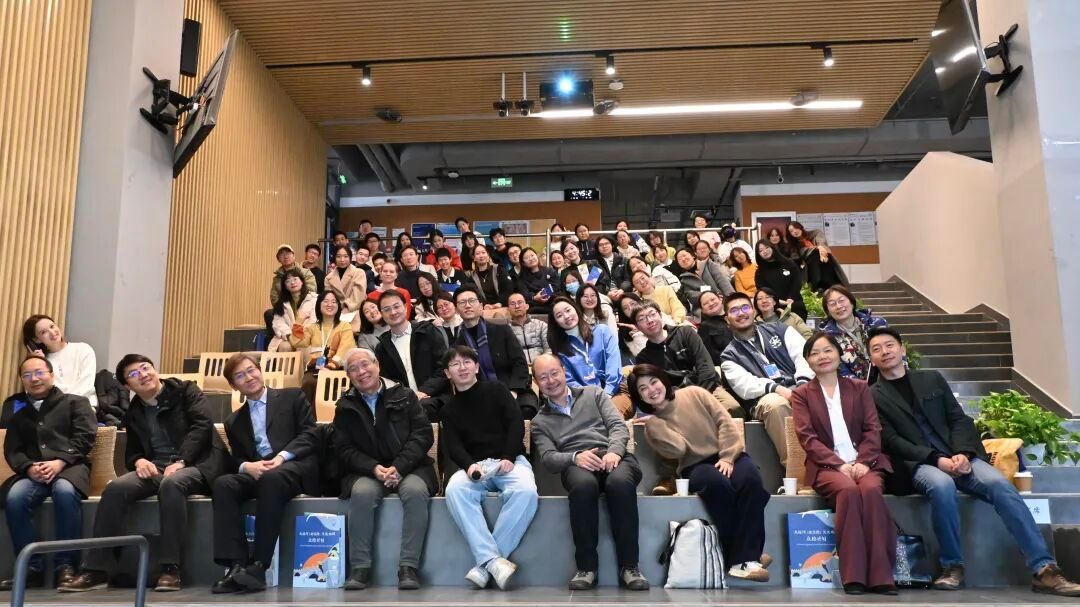

group photos