On July 24, 2024, the 2024 Joint Workshop on Cultural Heritage Conservation—a summer course hosted by Peking University—kicked off in Lanzhou, Gansu Province. From July 25 to 31, the workshop divided into four groups—Zhangye, Dingxi, Tianshui, and Longnan—to conduct field surveys and interviews at their respective research sites. This article documents the fieldwork activities of each group.
·Zhangye Group·
Since ancient times, Zhangye has served as a vital stop along the Silk Road, boasting a rich cultural heritage and stunning natural scenery. During this summer workshop, students in the Zhangye Group delved deeply into the cultural resources of Ganzhou District in Zhangye City. Using the CCC (Cities, Culture, and Creativity) framework, they assessed the status of cultural resources, heritage conservation and utilization, and creative industry development, with the aim of strengthening heritage conservation and vigorously developing the local cultural and creative industries. During the investigation, the group was divided into two teams: Team 1, led by Professor Li Kuanghan, and Team 2, led by Professor Sun Jing.

Photo | The Zhangye Group poses for a photo with the director of “Timeless Classics”
On July 25, Group 1 visited the Zhangye City Museum and conducted an interview with the director. The visit not only allowed the team to gain an understanding of the local history and culture, but the interview also provided firsthand information, deepening their understanding of the protection and transmission of local culture; The second group visited the Ganzhou District Intangible Cultural Heritage Protection Center and interviewed its director. The interview helped them understand the current status, challenges, and future plans for Zhangye’s intangible cultural heritage projects.
On July 26, both groups jointly visited the Classic Heritage Culture Company, Rainbow Silk Road Performing Arts Company, Zhangye Silk Road Culture and Arts Center, and various intangible cultural heritage workshops. The students gained a deeper understanding of Zhangye’s achievements in the cultural creativity and performing arts industries. The visits to the various intangible cultural heritage workshops allowed the team to experience the charm of traditional crafts up close. Following the interviews, the students engaged in a lively discussion on how to further promote the development and transmission of Zhangye’s intangible cultural heritage.
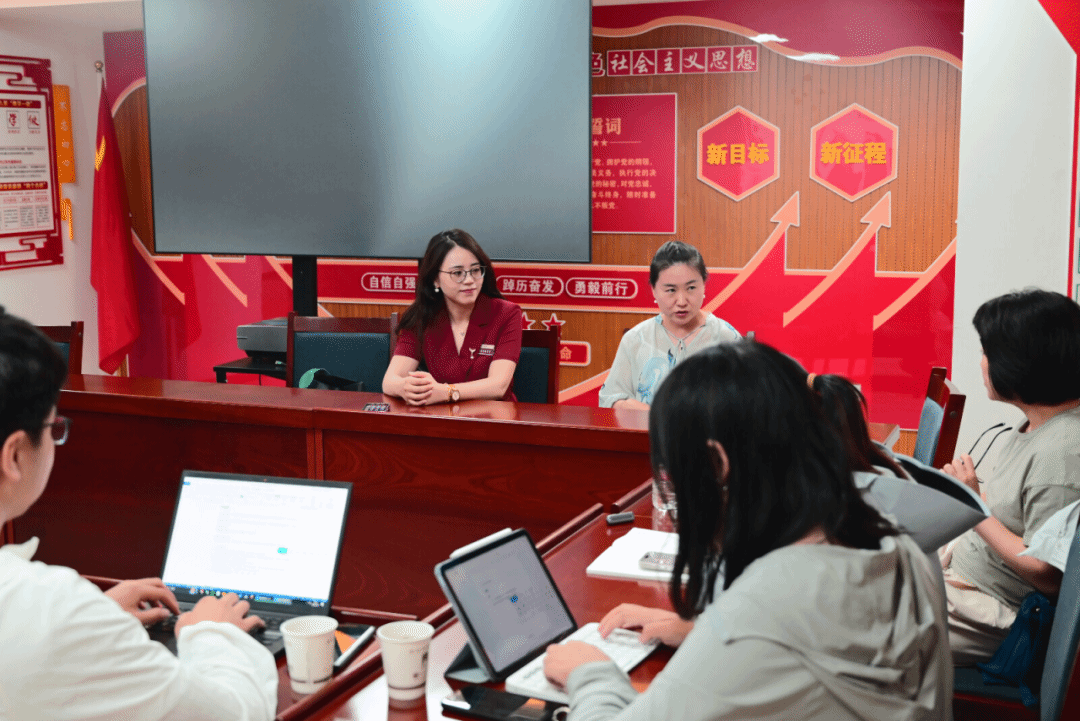
Photo | Discussion with the director of the Zhangye City Museum
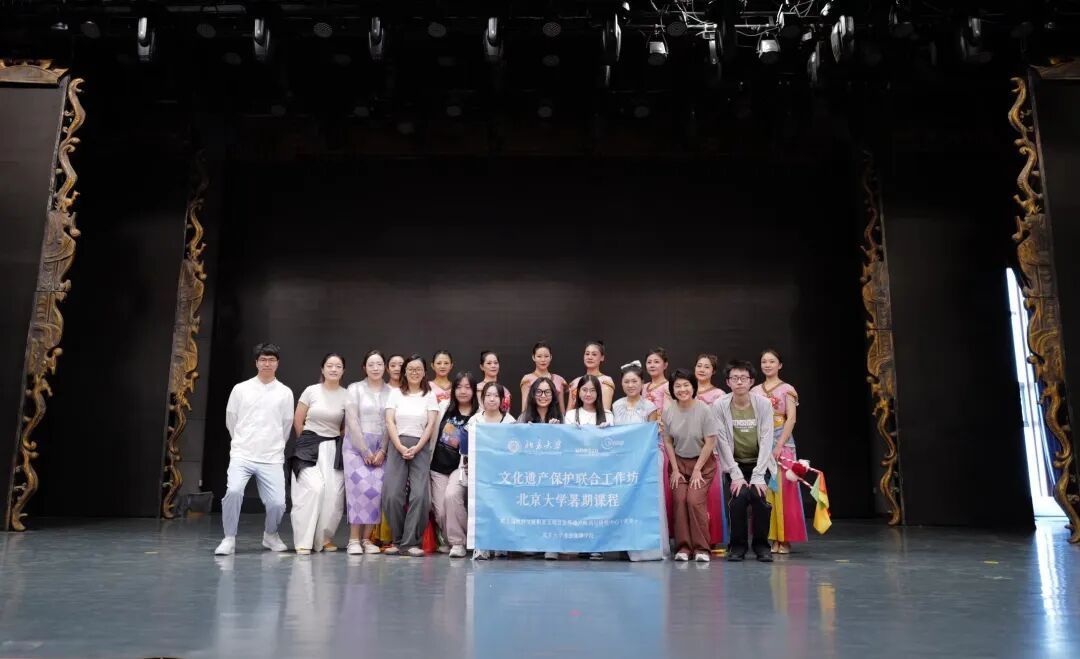
Photo | The Zhangye group poses for a photo with Rainbow Silk Road Performing Arts Company

Photo | The Zhangye group in conversation with an intangible cultural heritage inheritor
On July 27, Group 1 interviewed the director of the Zhangye Seven-Color Danxia Tourist Attraction and the person in charge of cultural and creative initiatives; They interviewed the project manager of the Danxia Kou Cultural Tourism Town, toured the scenic area, and conducted a visitor survey. Through these interviews and surveys, team members gained an in-depth understanding of the operations, cultural and creative product development, and visitor feedback at the Zhangye Seven-Color Danxia Scenic Area, gaining new insights into the integration of tourism and cultural creativity. Group Two’s fieldwork and resident surveys in Wulan Ancient Town provided valuable data for understanding the challenges facing rural tourism development in Wulan Ancient Town and the preservation of local culture.
On the morning of July 28, both groups jointly inspected the general conditions of Zhangye’s Great Buddha Temple, Dongcang, and the Gao General’s Mansion; in the afternoon, Group 1 held discussions with the cultural and creative director of Gansu Xiyou Culture Media and conducted on-site visits to the “This Is Zhangye” cultural and creative flagship store and Zhangye Old Street. Through these discussions and field visits, they further explored pathways for the commercialization and innovation of cultural products; In the afternoon, the second group traveled to Huazhai Village in Ganzhou District to examine the preservation and utilization of the national-level intangible cultural heritage project Hexi Baojuan and interviewed its inheritors.

Photo | Danxia Scenic Area
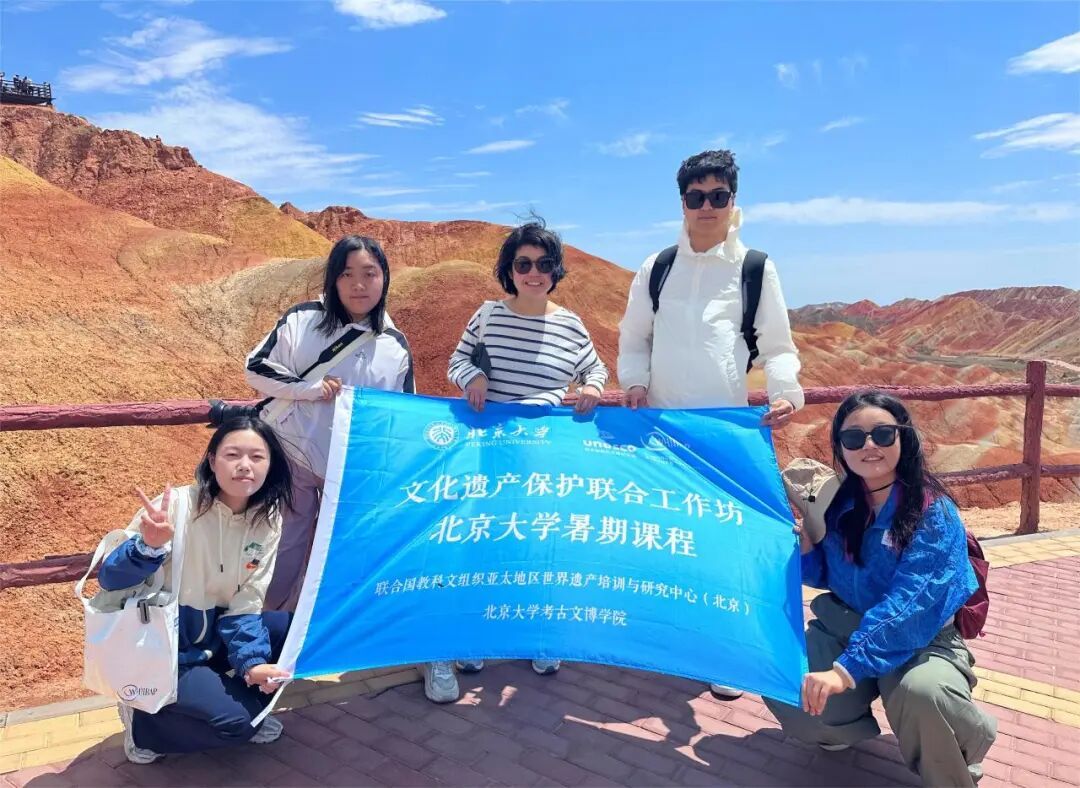
Photo | Group 1 visiting the Danxia Scenic Area

Photo | Group 2 visiting Wulan Ancient Town
On July 29, Group 1 visited the Ganzhou District Tourism Investment Company and Liule Cultural Tourism Company; Group 2 held discussions with the head of the Zhangye City World Bank Loan Silk Road Economic Belt Cultural Heritage Transmission and Innovative Development Project Office, as well as the heads of the Public Culture Division, Arts and Intangible Cultural Heritage Division, and Industrial Development Promotion Division of the Zhangye Municipal Bureau of Culture, Radio, Television, and Tourism. These discussions with the World Bank Loan Project Office and multiple government departments provided the students with a macro-level understanding of Zhangye City’s policy support and implementation regarding cultural heritage transmission and innovation.
On July 30, Group 1 returned to the Great Buddha Temple and the Zhangye City Museum to conduct visitor surveys, collecting over 60 questionnaires. Through these surveys, the students gathered extensive visitor feedback on the current state of tourism in Zhangye and the commercialization of cultural resources. Group 2, through discussions with intangible cultural heritage (ICH) inheritors, gained an in-depth understanding of the current status and challenges facing the transmission of ICH projects such as the Ganzhou Folk Tunes and the Zangtou Puppet Show.
On the morning of July 31, some members of the first group visited the Zhangye Art Museum for an inspection and conducted an interview with the museum’s director; the second group held discussions with the head of the Zhangye Folk Art Artists Association.

Photo | Interview with the World Bank Project Manager

Photo | Group 2 interviews a National Intangible Cultural Heritage inheritor
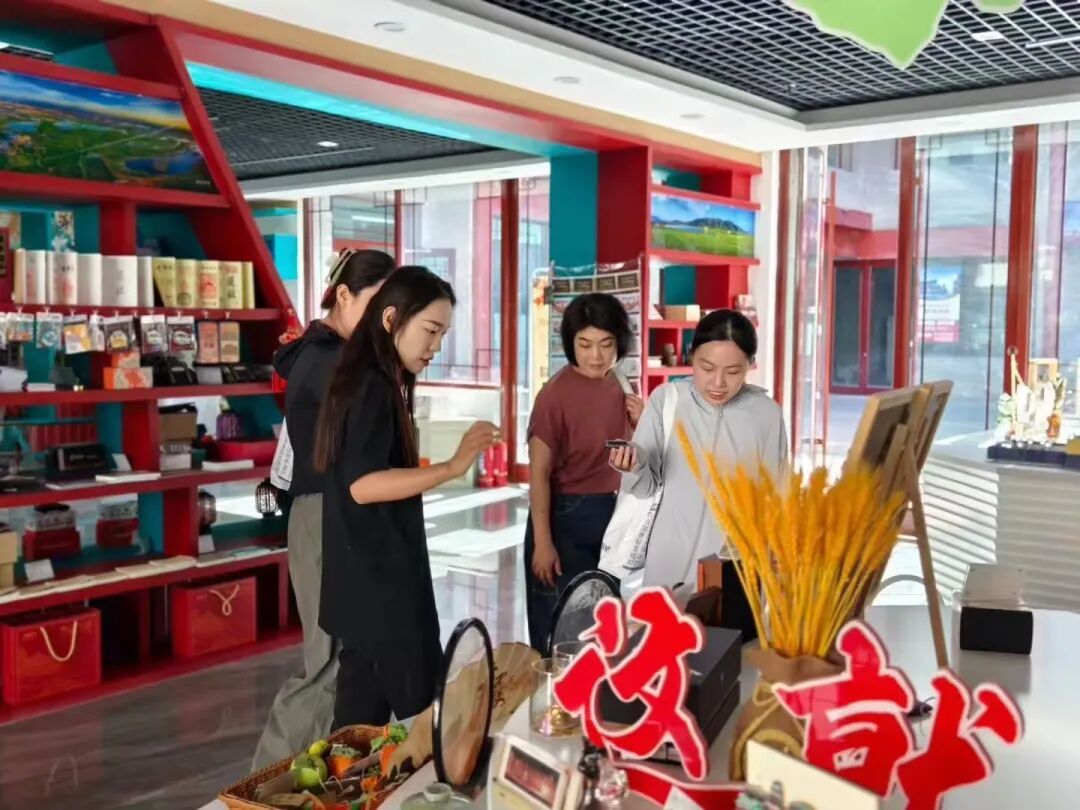
Photo | Group 1 visits Zhangye Old Street
The entire field study was rich in content and diverse in format. It not only covered multiple aspects such as the protection and transmission of cultural heritage, the development of the cultural and creative industries, and the operation and management of tourist attractions, but also utilized various methods—including interviews, surveys, and on-site visits—to gain an in-depth understanding of Zhangye City’s practical experience and future plans regarding cultural transmission and innovation, laying a solid foundation for the subsequent report writing.

·Dingxi Group·
Dingxi, also known as “Longzhong,” is located at the junction of the Loess Plateau, the Qinghai-Tibet Plateau, and the Western Qinling Mountains. It is a prefecture-level city under the jurisdiction of Gansu Province. From July 25 to 29, under the guidance of Professor Wang Siyu, workshop participants conducted field research in Lintao and Tongwei counties of Dingxi City. Working within the “Cities, Culture, and Creativity” (CCC) framework jointly established by UNESCO and the World Bank, they investigated the cultural resources and cultural and creative industries in these regions.

Photo | Group photo in Dingxi
Lintao, historically known as “Didao,” is situated along a key route of the ancient Silk Road. As one of the major cradles of Chinese civilization and ancient Yellow River culture, it has long been celebrated as the “Hometown of Polychrome Pottery” and a “Cultural Powerhouse.” Cultural heritage sites such as the Majiayao Site, the Qin Dynasty Great Wall from the Warring States period, and the Tang Dynasty Monument Commemorating Geshuhan’s Military Achievements are scattered throughout the region, while folk cultural traditions including paper-cutting, shadow puppetry, Hua’er folk songs, Nuo dance, and Shuilu paintings are rich and diverse.
On the afternoon of July 25, the Dingxi group of teachers and students arrived in Lintao County to interview Mao Jihong, a Lintao paper-cutting inheritor, and Pu Zengwen, a Shuilu painting inheritor. They inquired in detail about the protection and transmission of relevant cultural resources, gaining a preliminary understanding of Lintao County’s intangible cultural heritage. Following the interviews, the workshop participants toured the Lintao Museum to gain an in-depth understanding of its operations in exhibition, promotion, display, research, restoration, and cultural exchange.
On the morning of July 26, all members of the group conducted interviews at the Lintao County Cultural Center with the head of the Lintao World Bank project, staff from the Lintao County Cultural Center, and staff from the Lintao County Library. They gained a detailed understanding of the progress of the World Bank loan project as well as the distribution and utilization of public cultural resources in Lintao County. On the afternoon of the 26th, the Dingxi group conducted interviews at the Majiayao Polychrome Pottery Museum and conducted on-site visits to the Majiayao Polychrome Pottery Cultural Town and Shuanglian Village in Taoyang Town, Lintao County—a provincial-level “Beautiful Rural Village” demonstration village in Gansu Province. These visits provided new insights into the display and utilization of traditional culture and its organic integration with rural revitalization.
On the morning of July 27, the Dingxi group visited the construction site of the Majiayao Site Museum. Relevant officials from the design and construction firms provided a detailed introduction to the spatial design concepts and exhibition layout plans for the site museum, explaining the relative positioning and intrinsic connection between the museum and the archaeological site. After leaving the museum construction site, the group members proceeded to Majiayao Village. Led by the village chief, they toured the village history museum and conducted on-site research into the cultural landscape development and infrastructure improvement projects in Majiayao Village. Finally, the Dingxi group returned to Lintao County and conducted research interviews at the Taohe Stone Culture Museum.

Photo | The Dingxi Group experiences Lintao paper-cutting

Photo | The Dingxi Group visits the Lintao Museum

Photo | The Dingxi Group conducting research in Majiayao Village
Tongwei County is located in south-central Gansu. Since the Ming and Qing dynasties, Tongwei has produced a succession of talented painters and calligraphers, fostering a culture of collecting and creating art that continues to exert a widespread influence in the region today. In addition to its painting and calligraphy culture, Tongwei is home to distinctive opera forms such as the Yingzi腔 and Tongwei Xiaqu, as well as folk arts including straw weaving, brick carving, and the crafting of roof ridge ornaments.
On the morning of July 28, all faculty and students from the Dingxi delegation visited the Yuexin International Calligraphy and Painting Village in Tongwei County. Guided by a village docent, they learned about the current operational status and development of the village. They also visited studios to engage in in-depth discussions with practitioners from diverse backgrounds, including visiting artists, local artists, and art brokers. On the afternoon of the 28th, the research team interviewed Zhang Xiaoyan, Director of the Tongwei County Museum, to learn about the museum’s staff composition and key areas of focus.
On the morning of July 29, the Dingxi team held face-to-face exchanges and interviews at the Tongwei County Cultural Center with Liu Manchang, a master of Tongwei Shadow Opera; Sun Junxiang, a master of Tongwei Straw Weaving; and Ran Yifei, a master of Wheat Straw Painting. The three intangible cultural heritage masters each introduced their unique skills, allowing team members to deeply appreciate the charm and value of intangible cultural heritage. Finally, the research team met with the World Bank project manager at the Tongwei County Bureau of Culture, Sports, Radio, Television, and Tourism to learn about the progress of the Tongwei County Ink and Brush Culture Center project, marking the successful conclusion of the Dingxi team’s field research.

Photo | The Dingxi Group conducting an interview in the Yuexin International Calligraphy and Painting Village
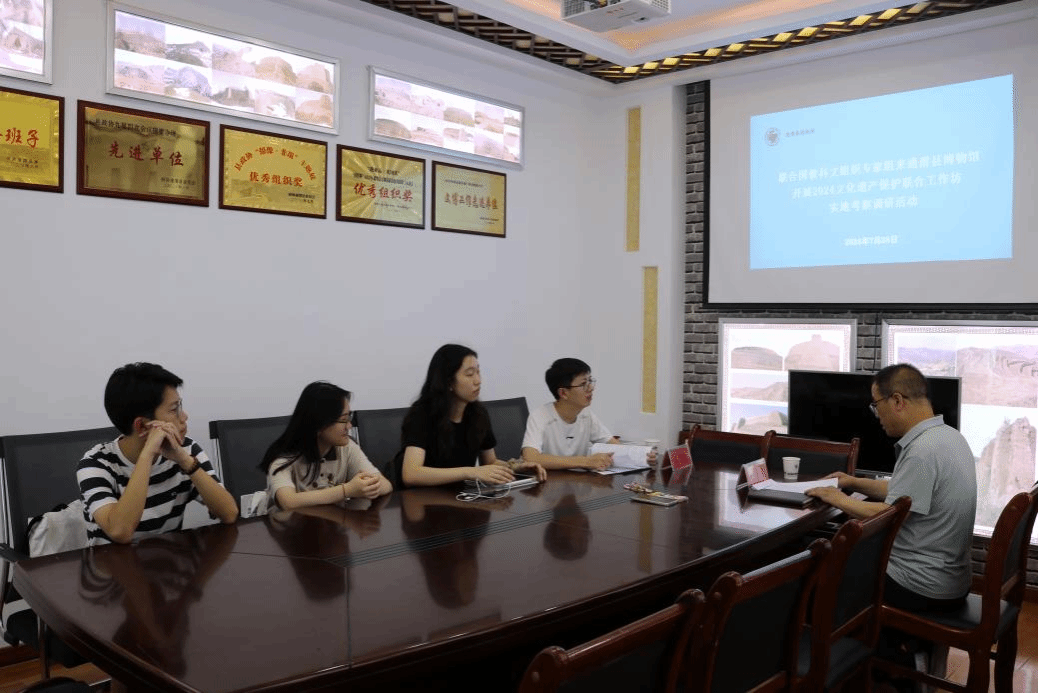
Photo | The Dingxi Group conducting an interview at the Tongwei County Museum

·Tianshui Group·
Tianshui, where the profound heritage of Fuxi culture, the grandeur of the Maijishan Grottoes, and the ancient legacy of the Dadiwan Site converge, has become the focal point of this group’s research. These sites respectively embody the origins of Chinese civilization, the splendor of Buddhist art, and the wisdom of early agricultural civilization, collectively forming the cultural foundation of Tianshui City. Guided by the “City, Culture, and Creativity (CCC)” framework, the team identified Qinzhou District, Maiji District, and Qin’an County in Tianshui as primary research sites through preliminary data analysis. The team conducted on-site investigations and in-depth interviews regarding these three major cultural resources, performing a comprehensive analysis of the driving factors and benefits of Tianshui’s cultural and creative industry development, with the aim of promoting the city’s cultural innovation and growth.
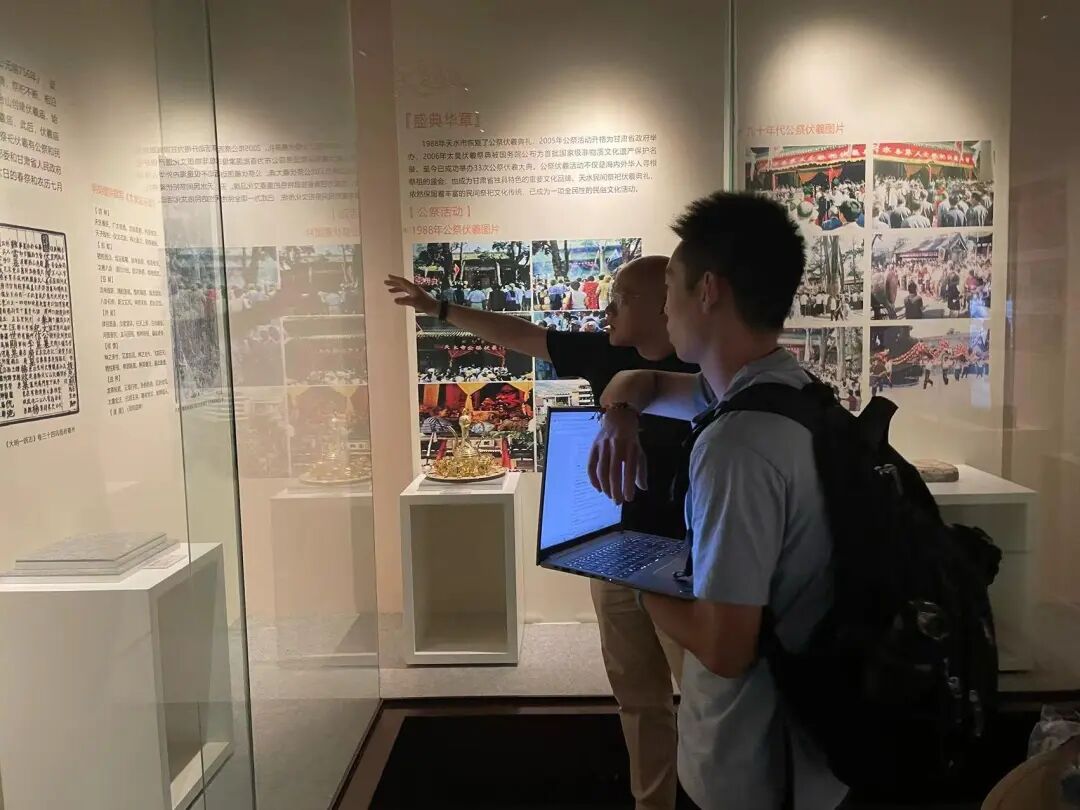
Photo | The Tianshui Group inspects Tianshui Ancient Street
On the morning of July 25, members of the Tianshui Group arrived in Tianshui City and visited the Tianshui Municipal Bureau of Culture and Tourism to interview the head of the Intangible Cultural Heritage Division. The interview focused on aspects such as the number of practitioners, spatial concentration, government initiatives, and digital promotion of Tianshui’s intangible cultural heritage, providing a comprehensive understanding of the overall landscape of the city’s intangible cultural heritage work.
On the afternoon of July 25, members of the Tianshui Group split into two teams to carry out their work. One team visited the Maji District Cultural Center and the Maji District Museum to investigate the basic conditions of these institutions and the practical challenges they face. The other group visited the Tianshui City Museum and the Fuxi Temple to examine the operational models of the museum and the temple under the “museum-temple integration” model. They also held a discussion with the intangible cultural heritage inheritors of the Fuxi Ritual to understand the three-tiered sacrificial system of the Fuxi Ritual—comprising “public sacrifices, folk sacrifices, and routine sacrifices”—as well as the cooperation among various institutions during the ritual activities.
Photo | Staff at the Fuxi Temple explain the Fuxi Grand Ceremony to members of the Tianshui group
On the morning of July 26, members of the Tianshui group, led by Professor Wang Shaohan, visited Tianshui Ancient City to observe its spatial layout, commercial models, historical changes, and cultural heritage preservation efforts. Within the ancient city, after gaining an understanding of the functional layout of the public spaces, the Tianshui Group members focused their interviews on Zhang Zhaojie, an inheritor of the Guanxia Bamboo Weaving intangible cultural heritage. They learned about the provincial-level intangible cultural heritage workshop for Guanxia Bamboo Weaving, its offline exhibition and sales spaces, online operations, and industry alliances.

Photo | Zhang Zhaojie explains the operational model of the bamboo weaving intangible cultural heritage workshop to members of the Tianshui Group
On the afternoon of July 26, the Tianshui team split into two groups to continue their work. One group visited the Maijishan Grottoes Art Research Institute to interview Director Li Tianming. Since being placed under the administration of the Dunhuang Academy in 2017, the institute has received preferential policy support and made progress in areas such as digitalization and spatial planning. The other group visited the Silk Road Pearl Tianshui Carved Lacquer Cultural Expo Park for an inspection. As a World Bank-funded project, the Silk Road Pearl Tianshui Carved Lacquer Industrial Park serves as a vital platform for the preservation and development of Tianshui carved lacquer, a national-level intangible cultural heritage. Currently, the main structures of the park’s Phase I project have been completed, while the workshops and museum planned for Phase II are still under construction.

Photo | Director Li Tianming briefs members of the Tianshui team on the Maijishan Grottoes
On the evening of July 26, the entire team held a meeting to review the research materials from Qinzhou District, confirm current achievements and future objectives, and prepare more targeted interview frameworks for the cultural resources to be investigated next. On July 27, after organizing preliminary materials, reviewing interview notes, and studying current policies, the team conducted a debriefing and reflection on the current research status with Professor Li Kuanghan and others, further adjusting the details of subsequent research and the report outline.
On the morning of July 28, members of the Tianshui team traveled to the Maijishan Grottoes to examine the scenic area development, grotto conservation, and digital management efforts at both the Maijishan Grottoes and the Maijishan Scenic Area. As one of China’s four major grotto complexes, the Maijishan Grottoes possess outstanding historical and artistic value, and their conservation and digitalization efforts are noteworthy. However, the actual operation of the Maijishan Scenic Area faces issues such as unclear division of responsibilities and low space utilization. Additionally, the Tianshui team interviewed Mou Changyou, an intangible cultural heritage inheritor of Maijishan Grotto restoration techniques, and his apprentices to gain insights into the basic work involved in the restoration techniques, policy support, and methods of master-apprentice transmission.

Photo | Restorer Mou Changyou explains the restoration method for the lotus pedestal to members of the Tianshui delegation inside Cave 133
On the evening of July 28, members of the Tianshui delegation surveyed the surrounding environment and supporting infrastructure—such as transportation—near the “Tianshui: A Timeless Beauty” theater, and then changed into costumes to participate in the immersive performance. After the show, the delegation held a discussion with the head of Gansu Siku Culture Group Co., Ltd. and relevant staff to understand the creative intent behind the production, the challenges encountered during implementation, and future visions, thereby gaining a deeper understanding of the cultural tourism and performing arts sector in Tianshui City.
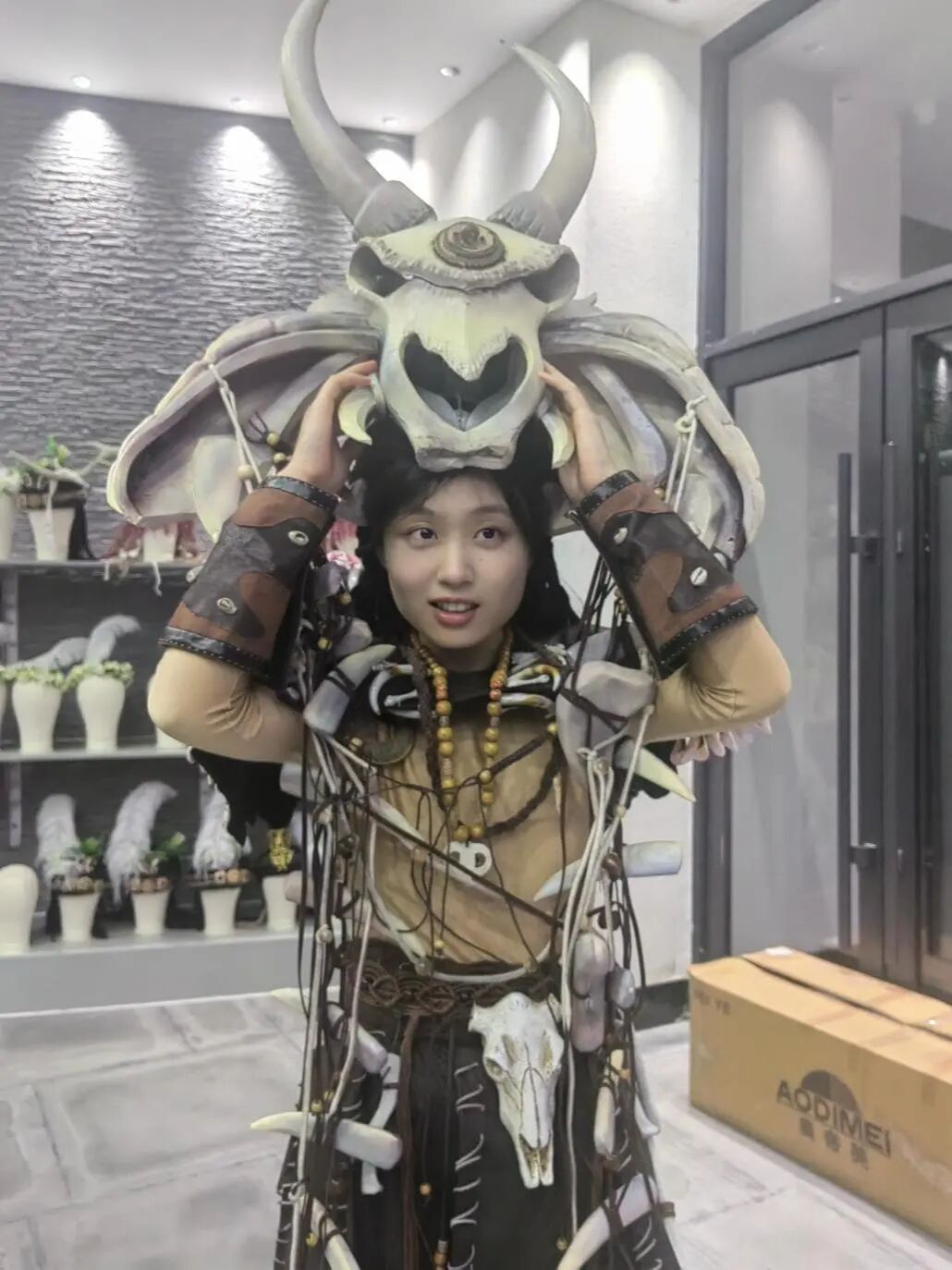
Photo | Member of the Tianshui Group dressed as “Young Fuxi”
On July 29, members of the Tianshui Team assessed the overall infrastructure supporting the cultural and tourism industry in Qin’an County. Through an interview with Director Jiao of the Qin’an County World Bank Project Office, they compiled a preliminary overview of the implementation status of various World Bank-funded projects. Following the interview, they further refined the direction of the report’s drafting, confirmed the next steps, and established key milestones for implementation.
On July 30, members of the Tianshui team traveled to the Dadiwan Site for a field survey. They interviewed the head of the Dadiwan Cultural Relics Management Office regarding visitor traffic and cultural and creative product development. Guided by staff, they observed summer visitor reception operations and analyzed future directions for digital applications. In the evening, the entire team returned to Lanzhou to organize all interview materials and held a meeting to discuss the division of labor and structural framework for the final research report.
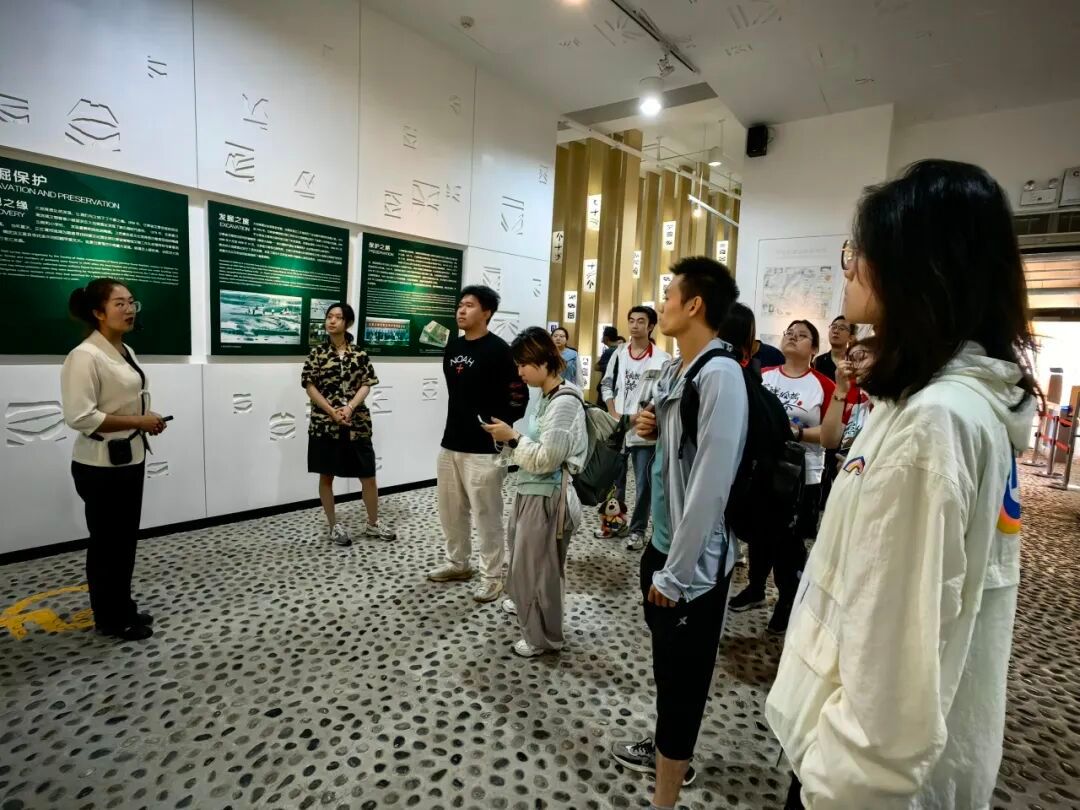
Photo | The Tianshui Group learns about operational details from the Dadiwan Cultural Relics Management Office and relevant staff
With its unique cultural resources, Tianshui City has not only enriched the cultural treasury of the Chinese nation but also provided valuable insights and lessons for exploring paths of cultural development and promoting urban cultural innovation. Before the workshop concludes, the team will continue to explore how cultural resources and the cultural and creative industries can contribute to the development of urban tourism and cultural competitiveness, with the aim of promoting cultural heritage and innovative development, and producing a comprehensive written report.
·Longnan Group·
On July 25, Park Lina led the Longnan Group to Wudu District to conduct research. The development of Longnan City began somewhat later than other areas. Following the 2008 earthquake, a large-scale reconstruction of infrastructure took place. Cultural institutions at the municipal and county levels—including cultural centers, museums, and libraries—were all established and planned during this reconstruction period and are mostly in the early stages of development.
In Wudu District, Longnan City, the team met with the heads of the cultural center, library, museum, and Intangible Cultural Heritage Center to assess the status of cultural resources, heritage conservation and utilization, and creative industry development using the CCC (Cities, Culture, and Creativity) framework. The team learned that the organizational structure of cultural institutions in Wudu District differs from that of other cities and prefectures, with synergistic effects in terms of hierarchical relationships and functions. Although these cultural institutions are not particularly large in scale, they all possess a certain level of infrastructure, functional zones, exhibition facilities, and utilization rates, and are regularly open to the public.

Photo | Longnan City Library Smart Management System
The layout of Wudu District’s cultural and tourism industry focuses primarily on regional collaboration. Leveraging natural and intangible cultural heritage resources, the district has developed integrated tourist routes such as the Yuhe Grand Scenic Area and the Wanxiang Cave Grand Scenic Area, and is currently planning and constructing the High Mountain Opera Intangible Cultural Heritage Research Center. The flagship cultural and creative brand of Wudu District is “Impressions of Wudu.” With a rich and distinctive product range, it features themes such as purple clay, Gaoshan Opera, golden snub-nosed monkeys, pandas, and the “Ode to Xixia.” The brand offers a variety of handicrafts and daily necessities, including textiles, books, and tea sets.

Photo | “Wudu Impression” series of cultural and creative products

Photo | Master plan for the Wanxiang Cave Scenic Area in Wudu District, Longnan City
On July 27, the Longnan delegation drove to Cheng County, where they visited the Cheng County Cultural Center, Museum, and Tourism Bureau to learn about the role of public finance in intangible cultural heritage, cultural tourism, and the creative industries. The following day, the delegation visited Zhangba Ancient Village in Pipazhen Town, Cheng County, to examine the preservation and utilization of traditional Longnan dwellings within the wellness homestay industry. Additionally, visits to the Tomb of Wu Ting and the Du Shaoling Shrine broadened their understanding of Cheng County’s cultural heritage and creative industries.

Photo | Zhangba Ancient Village Business Park in Pipazhen (under construction)

Photo | Transportation infrastructure around Zhangba Ancient Village

Photo | Site of the Wu Ting Tomb conservation and development project
Regarding intangible cultural heritage (ICH) inheritors, the Longnan delegation conducted interviews with Yin Libao, an inheritor of Wudu Gaoshan Opera; Wang Yujiao, an inheritor of wood carving; and An Qiuping, an inheritor of Cheng County dough figurine art. Longnan City possesses abundant intangible cultural heritage resources, and its inheritors are keeping pace with the times and striving for excellence. However, there is currently a lack of sufficient funding and physical space for conducting transmission and training activities. Meanwhile, Shaba Long Kiln coarse pottery is not only recognized as an intangible cultural heritage craft but is also widely sold both online and offline as an e-commerce product. By linking with university employment programs, it generates significant economic and social benefits.

Photo | An Qiuping, Chengzhou Dough Sculpture Intangible Cultural Heritage inheritor
On July 29, the team visited Longnan Normal University. The university’s School of Primary Education and School of Fine Arts offer courses on intangible cultural heritage, which not only equip students with specialized skills in comprehensive arts but also directly promote the dissemination, inheritance, and development of cultural heritage. The university’s ceramics studio has incorporated the Jiarui Shaba dragon kiln technique into its curriculum, establishing a production chain for cultural and creative products through university-enterprise collaboration. In terms of inter-university cooperation, Longnan Normal University maintains partnerships with Lanzhou University of Arts and Sciences and Lanzhou Industrial Vocational and Technical College, primarily through faculty exchanges.
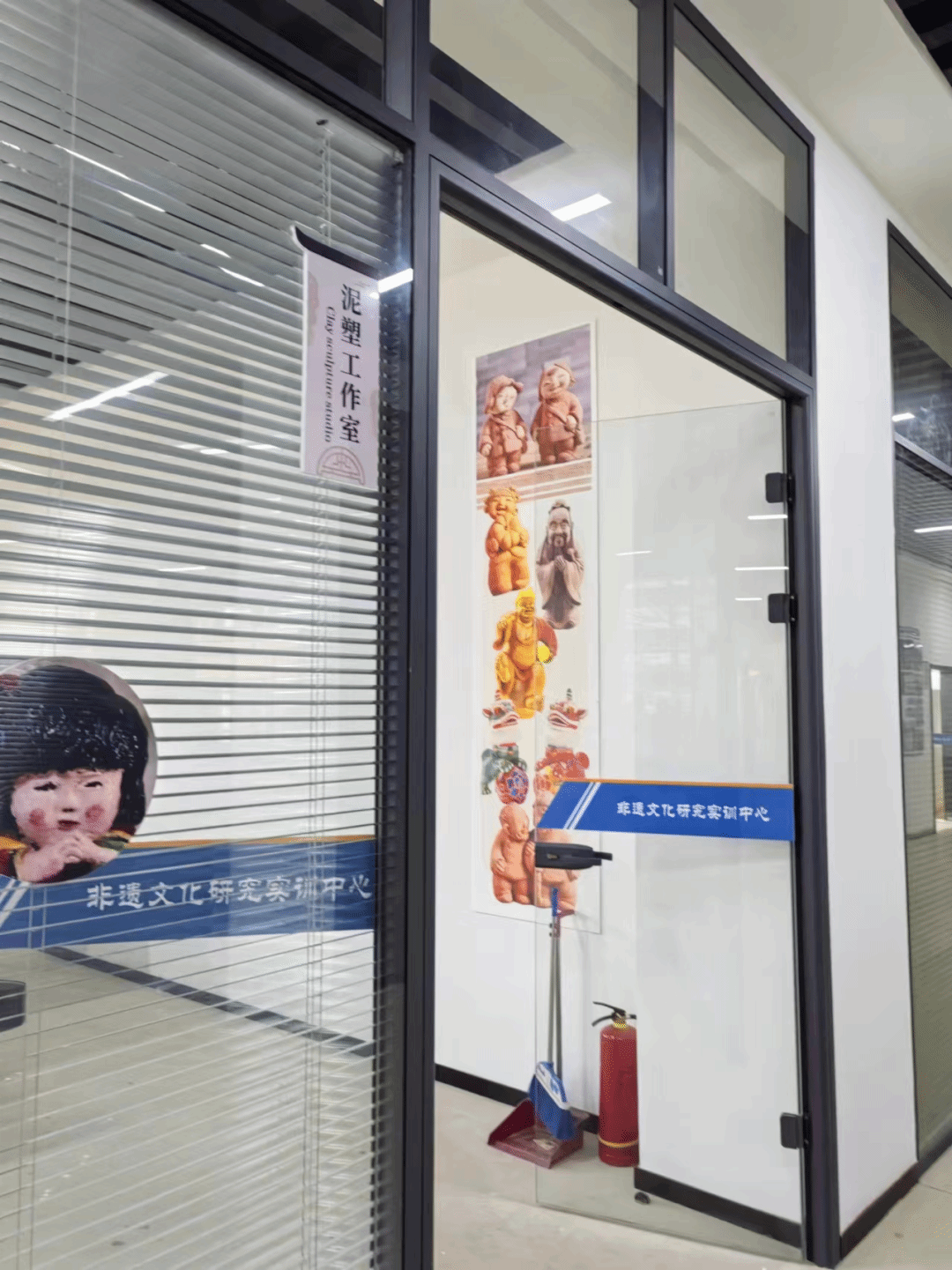
Photo | Longnan Normal University Clay Sculpture Studio

Photo | Team Group Photo
After several days of field research and data compilation in both regions, the Longnan team gained a comprehensive understanding of the area’s cultural heritage and creative industries. By analyzing various factors, they have accumulated a more systematic and detailed database to support the further development of creative cultural tourism in the Longnan region.
Copy: Contributed by various working groups
Editors: Ma Lerong, Park Lina
Reviewers: Li Kuanghan, Wang Siyu
Final Reviewers: Shen Ruiwen, Zhang Jianwei