Expert Introductions
(Ordered according to the forum schedule)
Session 1: Trends in World Heritage Development
Moderator: Zhang Jianwei

Researcher and doctoral supervisor. Currently Vice Dean of the School of Archaeology and Museology at Peking University, Director of the Department of Cultural Heritage Studies, Deputy Director of the Virtual Simulation Experimental Teaching Center for Archaeology at Peking University, and Executive Deputy Director of the UNESCO Asia-Pacific World Heritage Training and Research Centre (Beijing).
He also serves as Vice Director of the Preventive Conservation Committee of the China Association for Cultural Relics Protection Technology, expert reviewer for the National Cultural Heritage Administration, and Deputy Editor-in-Chief of Studies in Natural and Cultural Heritage. He previously served as Vice Director (on secondment) of the Shanxi Institute of Ancient Architecture and Painted Sculpture Conservation Research.
Selected for China’s National Major Talent Youth Program in 2022.
Representative works include Architectural Heritage of Famous Mountains and Research on Ancient Chinese Metal Architecture, which received nominations for national publishing awards and national higher education research awards.
He has led national first-class virtual simulation courses and received multiple national and municipal teaching awards.
Discussant: Zhan Changfa
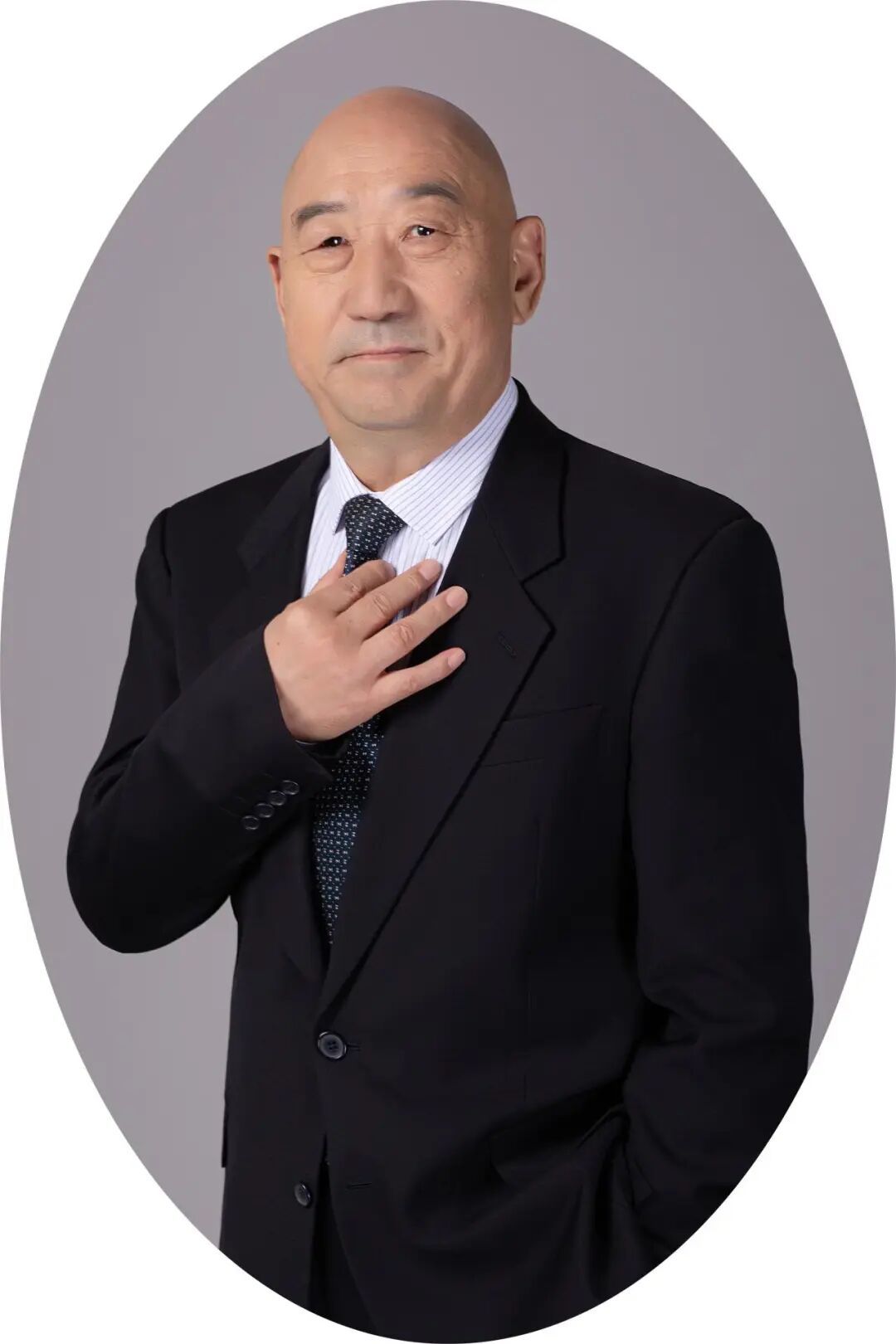
Renowned cultural relic conservation expert; Chief Scientist of the Marine Archaeology Innovation Team at the Southern Marine Science and Engineering Guangdong Laboratory; member of the Surveying and Mapping Committee of the Chinese Society of Oceanography.
He has led major national-level cultural heritage conservation projects, including the restoration of ceramics and metal artifacts from the shipwreck Nanhai No. 1, and major research programs on ancient shipwreck survey technologies in Guangdong.
He has long promoted international cooperation in cultural heritage conservation and was awarded the “Knight of the Order of the Star of Italian Solidarity” by the President of Italy.
Speaker: Yang Bixiong

Since August 2022, she has served at the UNESCO Beijing Office, managing cultural programs of the UNESCO East Asia Multisector Regional Office.
Previously, she worked for 13 years in UNESCO offices in Hanoi and Bangkok, supporting the implementation of UNESCO’s six cultural conventions in Mekong region countries and promoting culture and creativity in sustainable development.
She has led regional programs such as the UNESCO Asia-Pacific Cultural Heritage Conservation Awards and contributed to initiatives including the Heritage Management Capacity Framework, Active Heritage education programs in Asia-Pacific, and the TechCul initiative on digital technology in culture.
She began her career in 1994 working with NGOs, international organizations, research institutions, and universities on indigenous peoples, community development, public health, heritage conservation, and social research.
She holds a PhD in Anthropology and a Master’s in Public Administration from the University of Washington (2006).
Presentation Title:
World Heritage Protection in the Asia-Pacific Region — Analysis of the Third Cycle Periodic Reporting
Speaker: Thomas Coomans

Director of the Raymond Lemaire International Centre for Conservation and member of ICOMOS ISC PRERICO.
Presentation Title:
Upstream Guidance Before World Heritage Nominations: Objectives, Methods, and Challenges
Speaker: Song Feng

Associate Professor at the College of Urban and Environmental Sciences, Peking University; Deputy Director of WHITRAP Beijing; Deputy Director of the Peking University World Heritage Research Center.
He has long been engaged in research on World Natural Heritage, mixed heritage, and scenic area conservation and planning. He has extensive experience in China’s natural heritage systems, conservation status, and nomination potential. He has participated in multiple World Heritage Committee sessions and led dozens of national key R&D projects.
Presentation Title:
Development Trends of World Natural Heritage
Session 2: Protection and Management of Archaeological Heritage Sites
Moderator: Li Wanxin

Associate Professor (pre-tenure) at the School of Archaeology and Museology, Peking University; Director of Museum and Cultural Heritage Teaching and Research Section.
She holds a BA in Archaeology and Chinese Studies from the University of Toronto, an MPhil in World Archaeology from the University of Oxford, and a DPhil in Archaeology from Oxford University. Her research focuses on art archaeology and Bronze Age China, with training in Near Eastern and Egyptian archaeology. She has participated in excavations at Tell es-Safi in Israel.
She has worked at the Ashmolean Museum (Oxford), City University of Hong Kong, and Chinese University of Hong Kong before joining Peking University in 2019. She is a board member of Monumenta Serica.
Discussant: Zhan Changfa
Renowned cultural relic conservation expert; Chief Scientist of the Marine Archaeology Innovation Team at the Southern Marine Science and Engineering Guangdong Laboratory.
Speaker: Santiago Giraldo

Anthropologist and archaeologist whose research focuses on the construction and sociopolitical development of Teyuna (the Lost City) in the Sierra Nevada de Santa Marta between 100–1600 CE.
Since 2010, he has led conservation work at the Teyuna Archaeological Park with the Colombian Institute of Anthropology and History, as well as broader community development programs in the Sierra Nevada de Santa Marta and heritage conservation projects across Latin America.
Presentation Title:
Never Ending: Conservation and Management Experience of the Teyuna Archaeological Park (Lost City), Colombia
Speaker: Du Xiaofan

Director of the Center for National Territory and Cultural Resources Research at Fudan University; Professor and doctoral supervisor in the Department of Cultural Relics and Museology; UNESCO Chair on Living Heritage and Community Development.
He holds numerous leadership roles in Chinese and international heritage organizations, including vice president positions in multiple academic societies related to heritage, planning, and archaeology.
He previously worked as a museum staff member, research fellow in Japan, and UNESCO cultural heritage officer in China.
He has published extensively on cultural heritage value theory, rural heritage, and cultural landscapes.
Presentation Title:
Threats and Development: Climate Change and Buddhist Temple Sites in the Tarim Basin
Speaker: Zhang Jianwei
Researcher and doctoral supervisor; Vice Dean of the School of Archaeology and Museology, Peking University; Executive Deputy Director of the UNESCO Asia-Pacific World Heritage Training and Research Centre (Beijing).
Presentation Title:
Large Archaeological Sites in Historical Cultural Spatial Traditions
Edited by: Lü Jiaxin, Park Lina
Reviewed by: Li Guanghan, Wang Siyu
Final Review: Shen Ruiwen, Zhang Jianwei